
A useful Mexican pantry does not begin with a packet labeled “taco seasoning.” It begins with corn, chiles, beans, acid, herbs, and the ability to tell the difference between food that smells alive and food that has spent a semester under fluorescent lighting.
You do not need every regional ingredient on day one. You need a small set of good ingredients, bought with some intention. Mexican cooking rewards freshness, but it also depends brilliantly on dried, fermented, toasted, and preserved foods. The pantry is where those two worlds shake hands.
Corn First
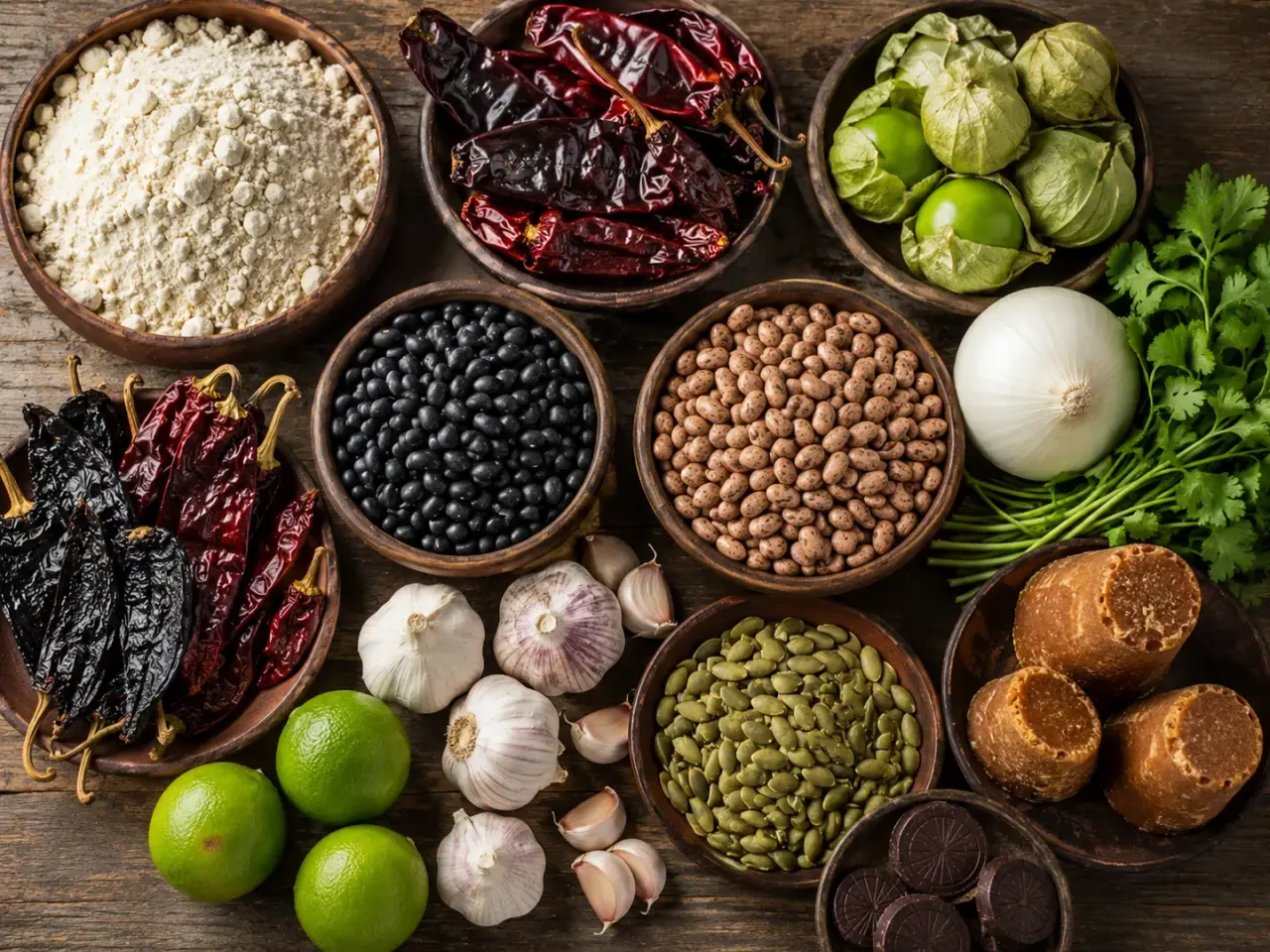
Fresh masa is the gold standard when you can get it from a reputable tortillería or molino. Ask whether it is finely ground for tortillas or more coarsely ground and prepared for tamales. Fresh masa should smell clean, sweet, and distinctly corny—not sour, stale, or paint-like. Use it quickly and keep it covered so the surface does not crust over.
Masa harina is nixtamalized corn that has been dried and milled. It is not ordinary cornmeal, and the two are not interchangeable. Buy from a brand with a clear ingredient list and a production date or good turnover. Different brands absorb water differently, so follow the package ratio the first time, then adjust by touch. Good masa should feel moist and cohesive, not crumbly and not wet enough to wallpaper the kitchen.
For store-bought tortillas, look in the refrigerated section when possible. A short ingredient list is useful, but freshness matters just as much. Bend the package gently: the tortillas should flex rather than crack. At home, heat them on a dry or very lightly greased comal until fragrant and pliable. A tortilla should bend, not file a complaint.
Build a Chile Library, Not a Chile Junk Drawer
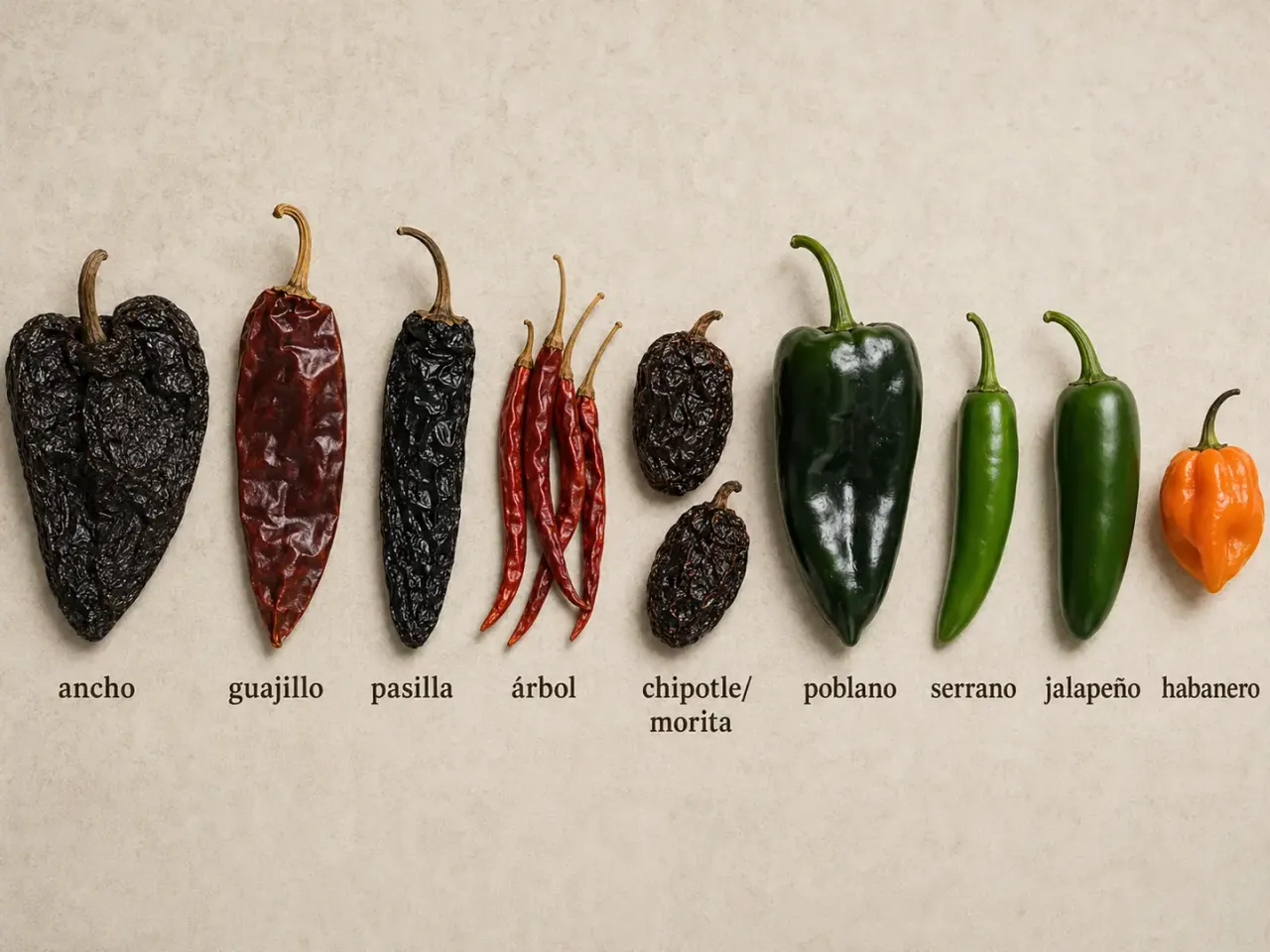
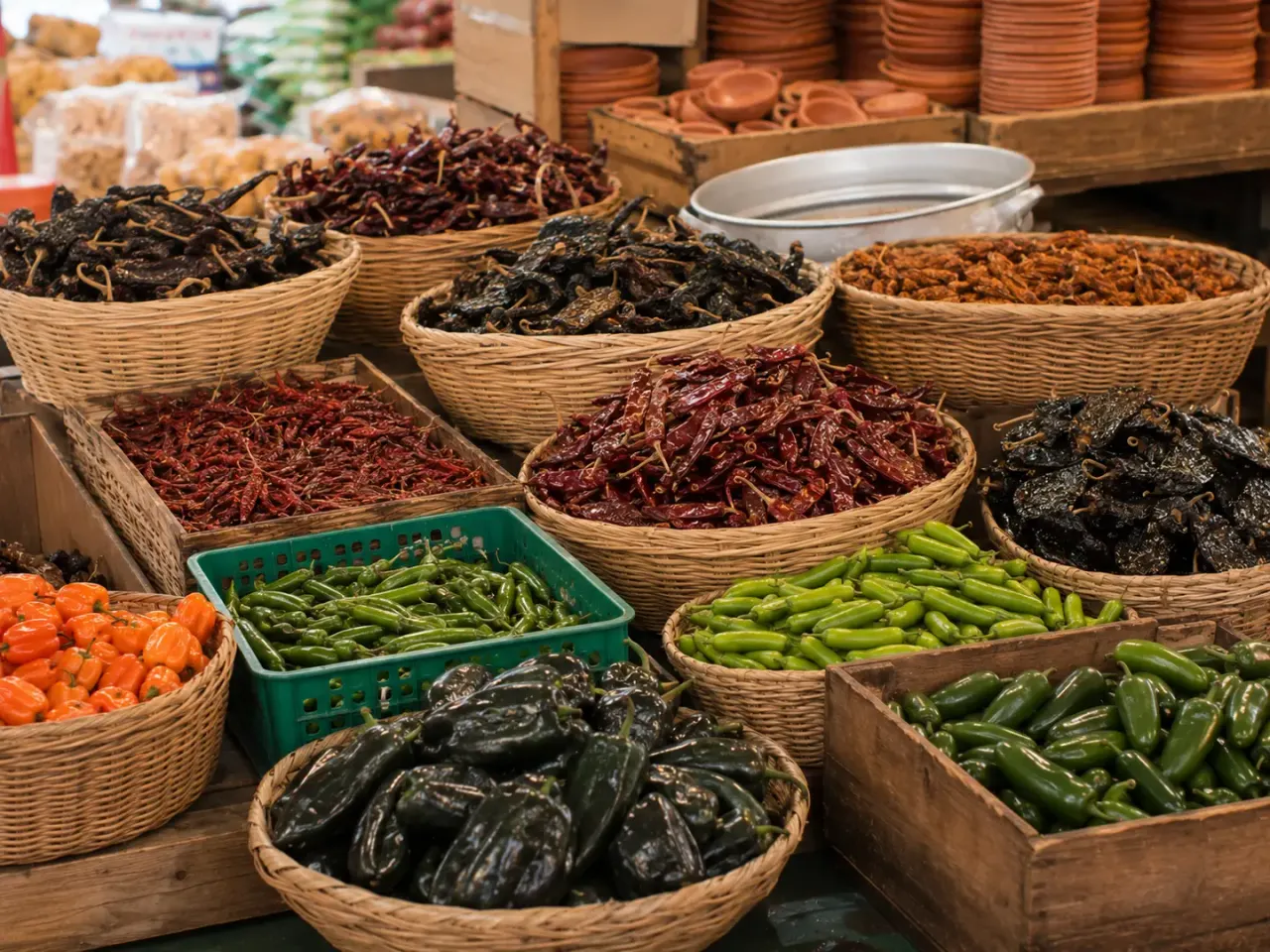
Start with four dried chiles. Ancho brings body, raisin-like sweetness, and mild warmth. Guajillo brings red color, fruit, tartness, and a firmer skin that usually benefits from straining. Pasilla brings dark, earthy, dried-fruit depth. Chile de árbol brings clean, direct heat. Add chipotle or morita when you want smoke, but remember that smoke is a flavor, not a personality.
Good dried chiles should be aromatic, mostly pliable, and free of pale moth damage, mold, or a stale dusty smell. Buy whole chiles rather than mystery powder whenever you can. Toast them briefly—just until fragrant and slightly changed in color. Once they smoke heavily, bitterness is usually already filling out the paperwork.
For fresh chiles, poblano supplies flesh and roasted depth; serrano gives bright, grassy heat; jalapeño gives juicy body and manageable spice; habanero is floral, fruity, and legitimately hot. The main concentration of capsaicinoids is in the pale placental tissue and ribs, not magically inside the seeds. Seeds can carry heat because they touch that tissue, but scraping out the white ribs is the more effective control.
 Open full size ↗
The Everyday Flavor Base
White onion, garlic, tomato, tomatillo, cilantro, lime, and salt form an astonishing number of Mexican flavor systems. Buy white onions that feel heavy and dry; their clean bite is especially useful raw and cooked. Choose tomatoes for ripeness and aroma, not for looking like they were raised by a geometry teacher. For cooked sauce, plum tomatoes are practical because they are meaty.
A good tomatillo should be firm, bright, and large enough to fill its papery husk. The sticky coating is normal; rinse it off. Small milpero tomatillos can be more intensely flavored when available, but regular supermarket tomatillos still make excellent salsa.
Use cilantro fresh, including tender stems. Mexican oregano is usually from the verbena family and tastes different from Mediterranean oregano—more citrusy and resinous. Epazote is powerful and should be treated like a guest with a very loud laugh: welcome in the right room, exhausting in every room. Hoja santa and avocado leaves add anise-like, root-beer, and earthy notes in regional cooking; buy them from trusted spice or Latin-market suppliers and use them as recipe-specific ingredients, not universal authenticity confetti.
Beans, Seeds, and Savory Depth
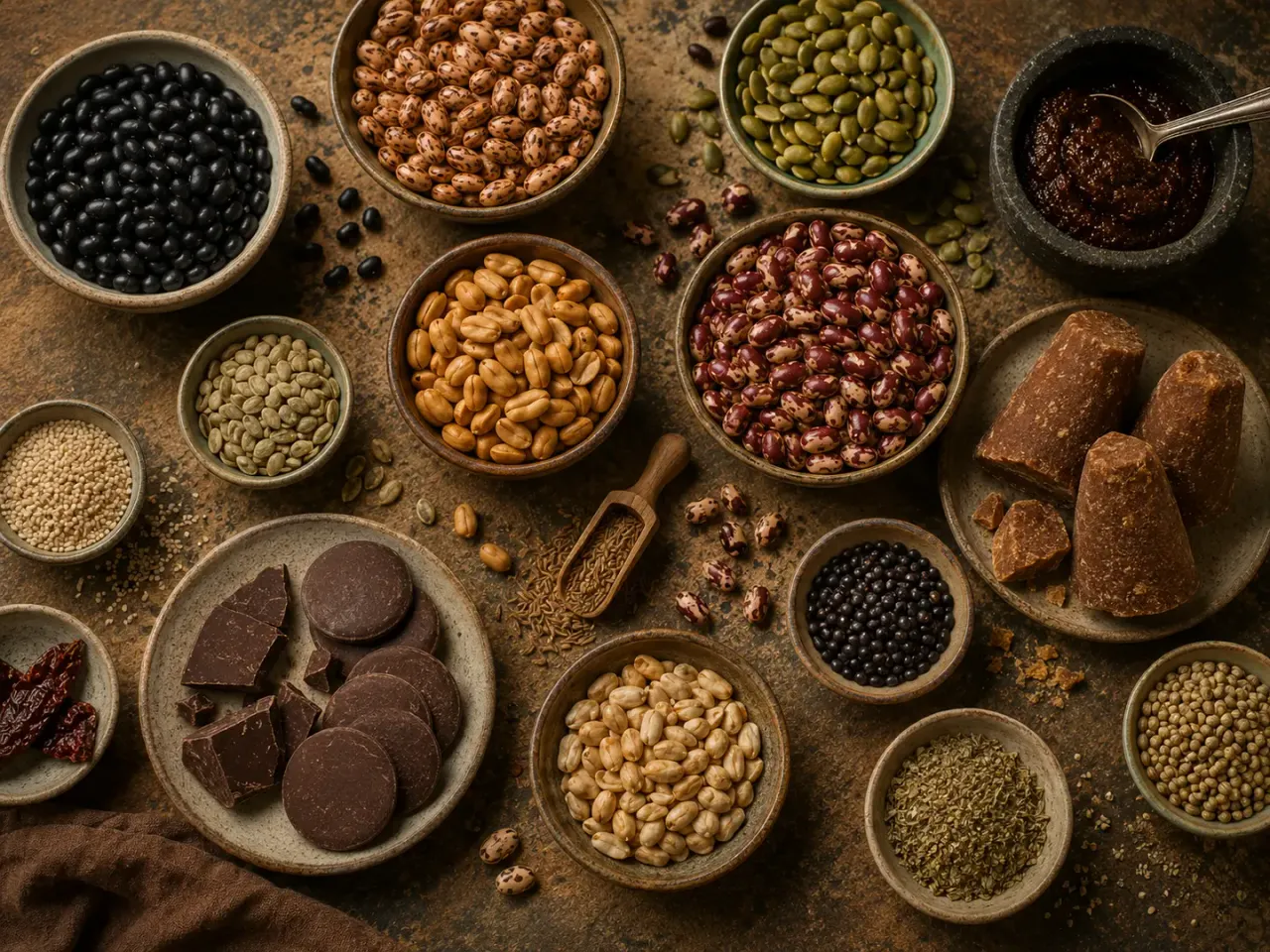
Black, pinto, flor de mayo, peruano, and other beans each behave differently, but the buying rule is simple: shop where beans turn over. Very old beans can take forever to soften and then blame you for it. Pepitas—hulled pumpkin seeds—thicken pipianes and moles and add toasted richness. Store nuts and seeds cold if you will not use them quickly; rancid fat can make a beautiful sauce taste like a forgotten toolbox.
Whole dried shrimp gives coastal and Oaxacan sauces concentrated umami. Buy plump, clean-smelling, orange specimens and grind them yourself. Mexican chocolate is coarse, sweetened drinking chocolate, often seasoned with cinnamon and sometimes nuts. It is not a direct substitute for unsweetened baking chocolate. Piloncillo is unrefined cane sugar with deep caramel and molasses notes; chop it carefully with a sturdy knife or dissolve it in liquid rather than trying to win a wrestling match.
Dairy, Fat, and Acid
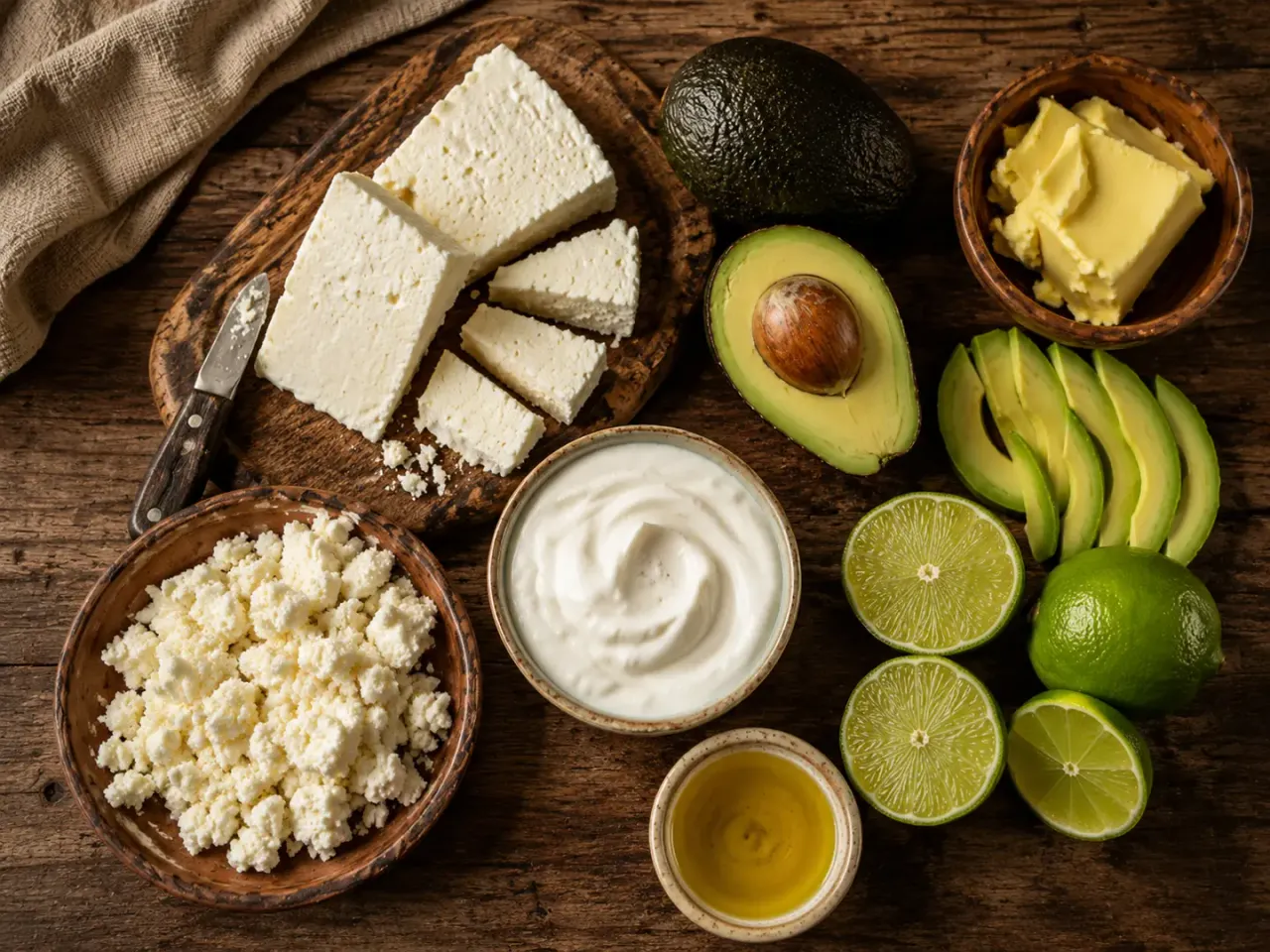
Quesillo or queso Oaxaca melts and pulls; queso fresco crumbles; cotija is salty and firm; crema is tangy and pourable. Buy refrigerated dairy from a reputable producer and check the label for pasteurized milk. Queso fresco–type cheeses deserve extra care because their high moisture can support Listeria growth; people at higher risk should follow current CDC guidance and eat them only when heated to 165°F or steaming hot.
Lard, neutral oil, avocado oil, and olive oil all have places in Mexican kitchens. Use the fat that fits the dish and the cook. Good fresh lard should smell clean and savory, not waxy or stale. Lime and vinegar provide the sharpness that keeps rich food awake. Buy limes that feel heavy for their size, and taste your vinegar before pouring it into a pot you have spent three hours building.
Three Buying Rules Worth Remembering
First, smell before you buy when the market allows it. Dried chiles, spices, herbs, masa, and chocolate should announce themselves. Second, buy small amounts from busy shops. Turnover beats an impressive label. Third, spend money where flavor is structural: masa, chiles, chocolate, cheese, and dried herbs. You can make do with an ordinary saucepan. You cannot bully stale guajillos into tasting young again.
SAFETY CORRECTION: For nixtamalization, use food-grade calcium hydroxide (cal) from a food supplier or tortillería. Do not use builder’s lime, gardening lime, or an unlabeled hardware-store product.
Sources & notes
Owner-supplied articles retain their controlling source copy. Any research references listed below were checked on September 16, 2026.
- Good Buddy Butter Club owner source: Essential Ingredients.docx