

Mexican food gives a drink plenty to do. A good pairing may cool chile heat, cut through fat, echo smoke, lift herbs, reset the palate, or simply keep a long table moving. The goal is not to find one “authentic” beverage for every dish. The goal is to make the next bite taste even better.
Four Pairing Moves
Cool heat. Cold temperature and a little sweetness can soften the perception of chile heat, but high alcohol can make the burn feel louder. Cut richness. Acidity, carbonation, and bitterness refresh the palate after carnitas, cheese, fried masa, and creamy sauces. Echo carefully. Smoke can connect mezcal to grilled food, but too much smoke on both sides makes dinner taste like an argument around a campfire. Respect sweetness. Desserts usually need a drink at least as sweet as the dish, or the beverage will taste thin and sour.
Nonalcoholic Drinks Are Not the Children’s Table
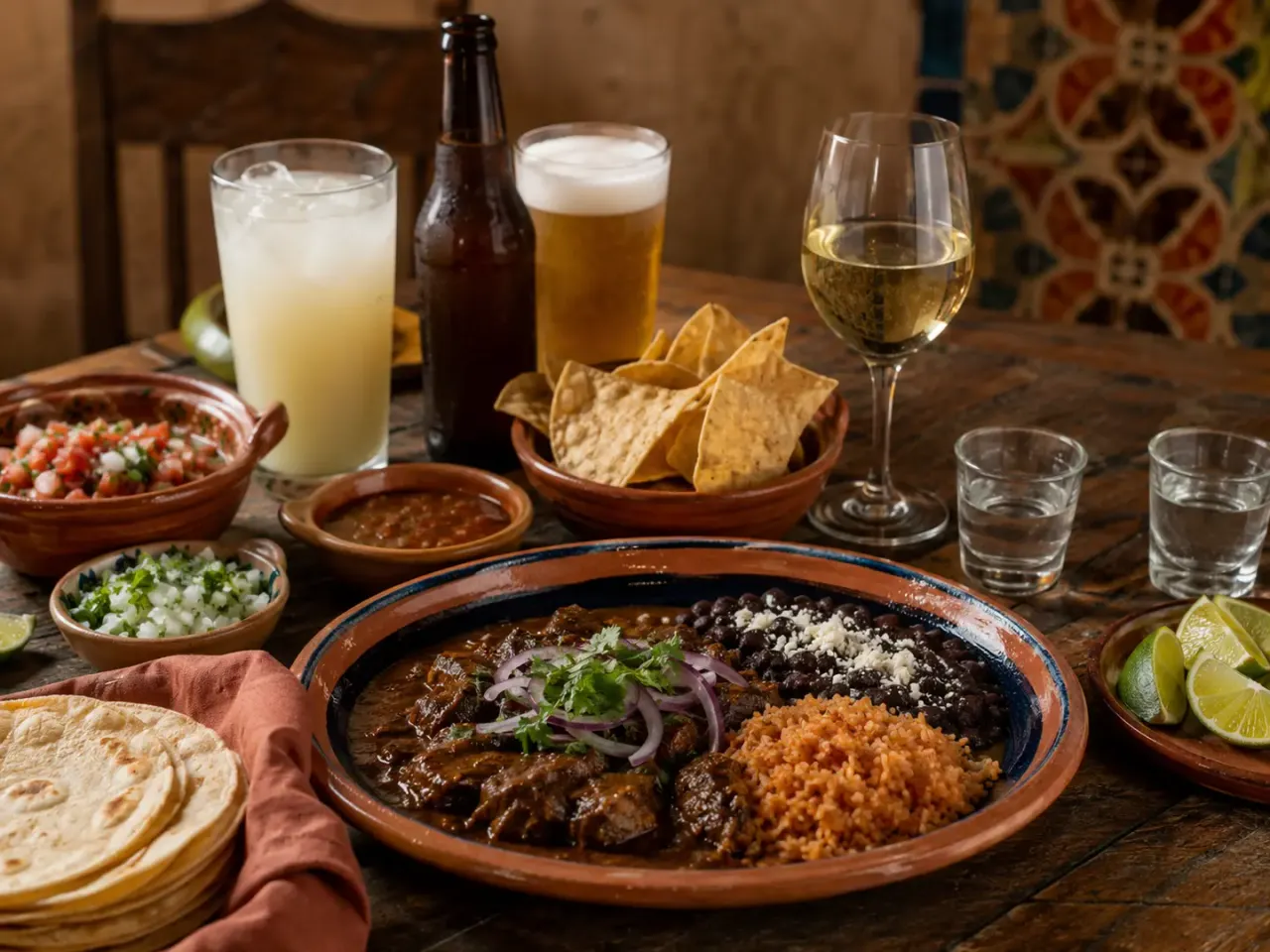
Aguas frescas are among the most useful food pairings in the world. Jamaica brings tart, tannic berry-like flavor to rich meat and fried food. Tamarind brings sweet-sour depth to chile, pork, and grilled dishes. Horchata cools heat and complements cinnamon, nuts, and roasted flavors. Fruit waters—lime, pineapple, melon, cucumber, guava—can be adjusted to the menu rather than treated like generic punch.
Atole and champurrado belong with tamales, breakfast breads, and cool-weather gatherings. Their masa body makes them food as much as drink. Mexican drinking chocolate pairs naturally with pan de yema, conchas, churros, and holiday breads. Café de olla, brewed with piloncillo and warming spices, is excellent with sweet bread, flan, and the long conversational stretch known as sobremesa.
Regional drinks such as tejate, pozol, tascalate, and pulque carry specific histories and textures. Seek them from knowledgeable producers rather than expecting a shelf-stable bottle to explain an entire tradition.
Beer: The Reliable Friend
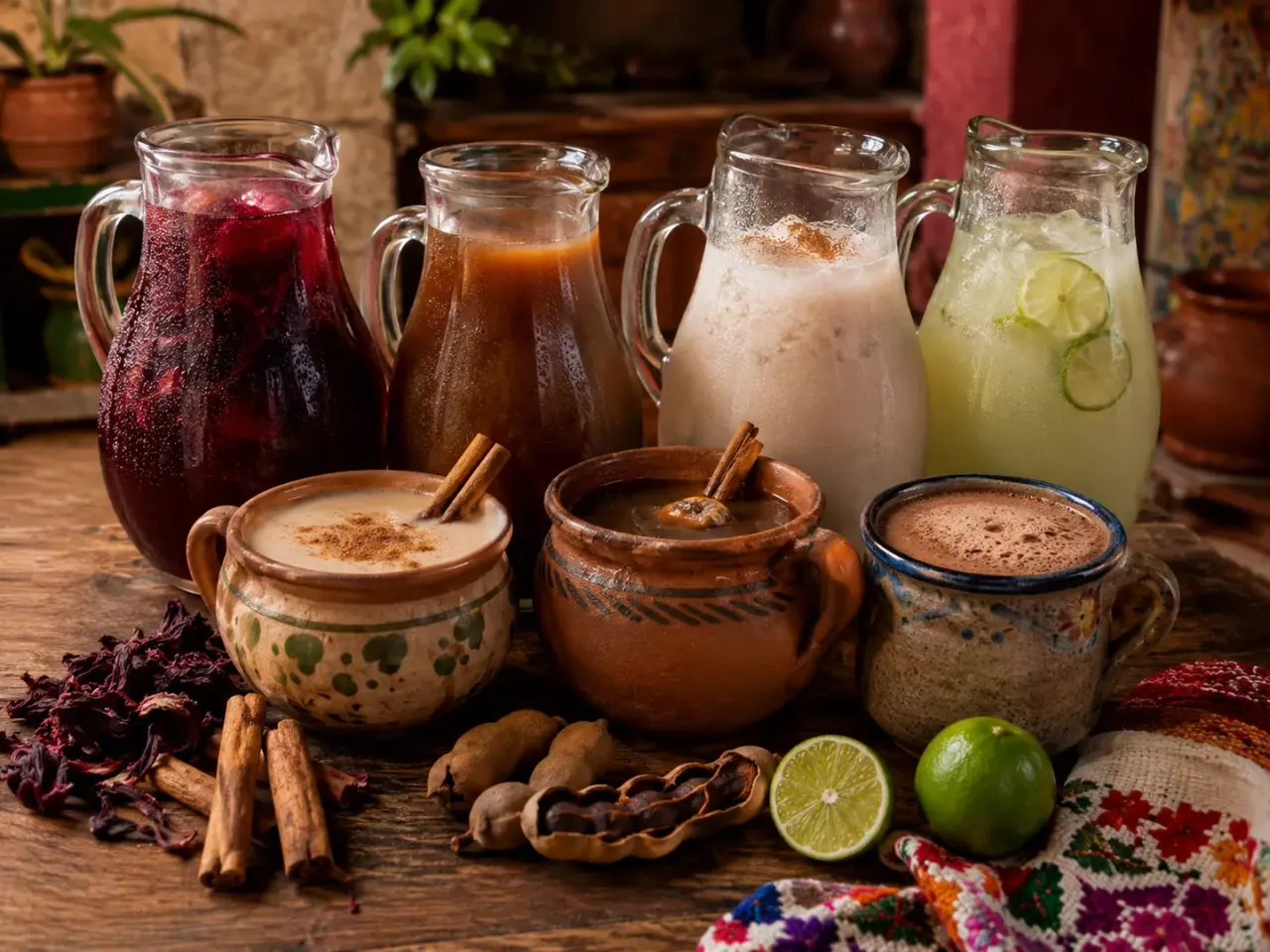
A crisp pale lager is hard to beat with fish tacos, ceviche, salty snacks, carne asada, and anything eaten outdoors. Amber or Vienna-style lagers handle carnitas, birria, adobo, and toasted chiles. Dark lager can meet mole, grilled beef, and chocolate without turning the meal into dessert.
The key is refreshment. Super-hoppy beer can make chile heat feel harsher, and a heavy high-alcohol beer can sit on top of a rich meal like an uninvited winter coat.
Tequila and Mezcal: Read the Label Before the Poetry
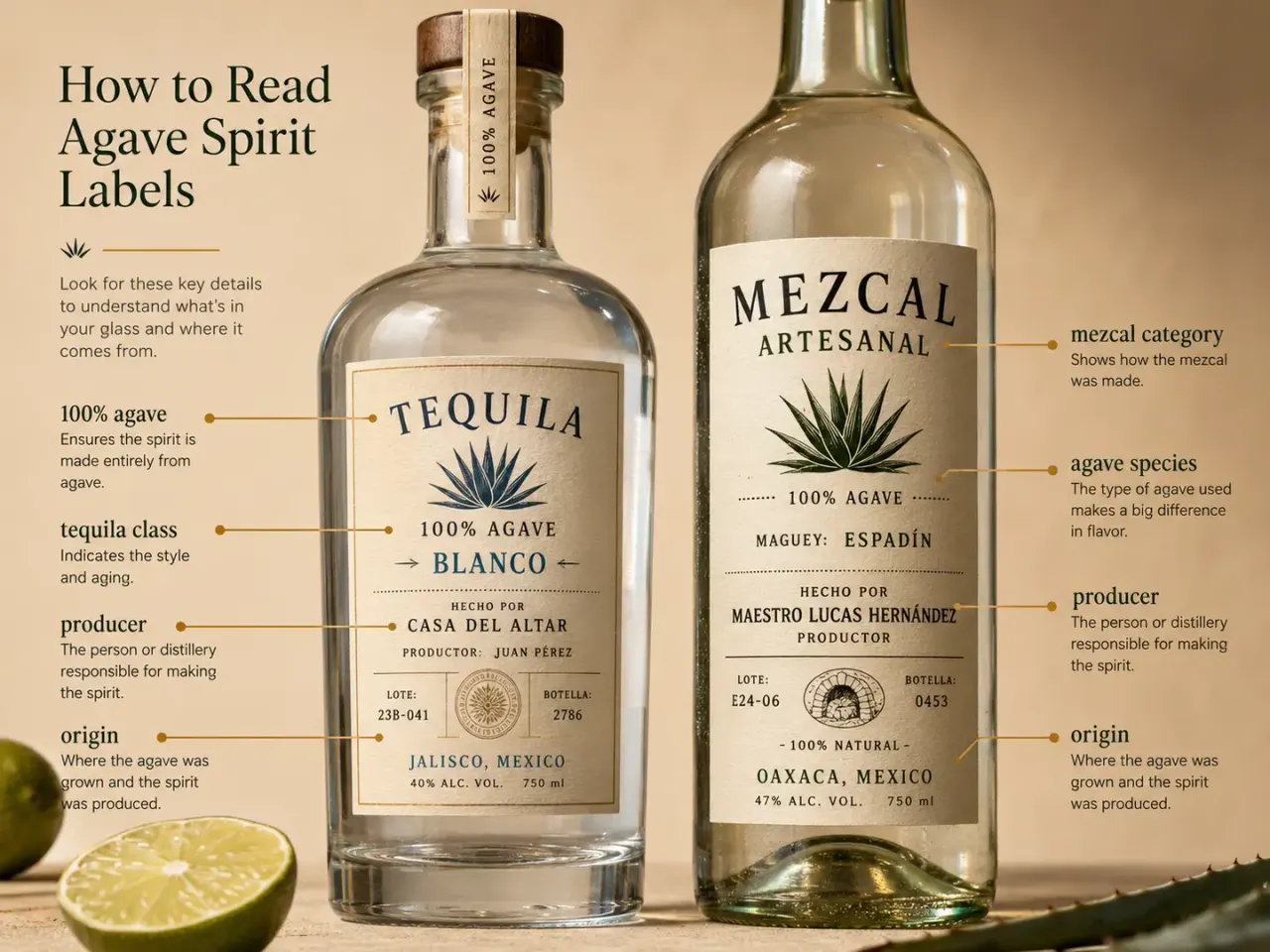
Tequila is protected by a Mexican appellation of origin and must use blue agave from authorized territory. A bottle labeled “Tequila 100% Agave” uses only blue-agave sugars and is bottled at origin. A bottle labeled simply “Tequila” may legally include up to 49 percent other reducing sugars. That does not automatically make it bad, but the label should tell you what you are buying.
Blanco is generally the clearest expression of cooked agave and fermentation. Reposado adds short wood maturation; añejo and extra añejo add progressively more barrel influence. Pair blanco with seafood, citrus, and fresh salsa; reposado with roast pork, adobo, and grilled food; añejo with mole, caramelized meat, or dessert in small pours.
Mezcal is governed by its own official standard and may be labeled in production categories such as mezcal, artisanal mezcal, or ancestral mezcal. Agave species, region, cooking method, fermentation, still type, and producer all matter. Do not assume every mezcal should taste like a tire fire. Smoke can be faint, dominant, or nearly absent.
 Open full size ↗
Wine Works Better Than People Think
High-acid sparkling wine or a lean white is excellent with ceviche, aguachile, oysters, and fried fish. Dry rosé loves al pastor, adobo, chorizo, and tomato-based dishes. Light, juicy reds with modest tannin work with carnitas, barbacoa, mushrooms, and grilled chicken. Off-dry Riesling, Chenin Blanc, or another aromatic white can calm chile heat while matching fruit, achiote, and sweet spices.
Mole is the difficult relative everyone overthinks. Match the specific mole, not the word. A red fruit-and-chile mole may like rosé or Grenache. A dark mole with nuts, dried fruit, and chocolate may prefer a mature red, dark beer, aged rum, or simply water and excellent tortillas. The dish already contains an orchestra; the drink does not need a solo.
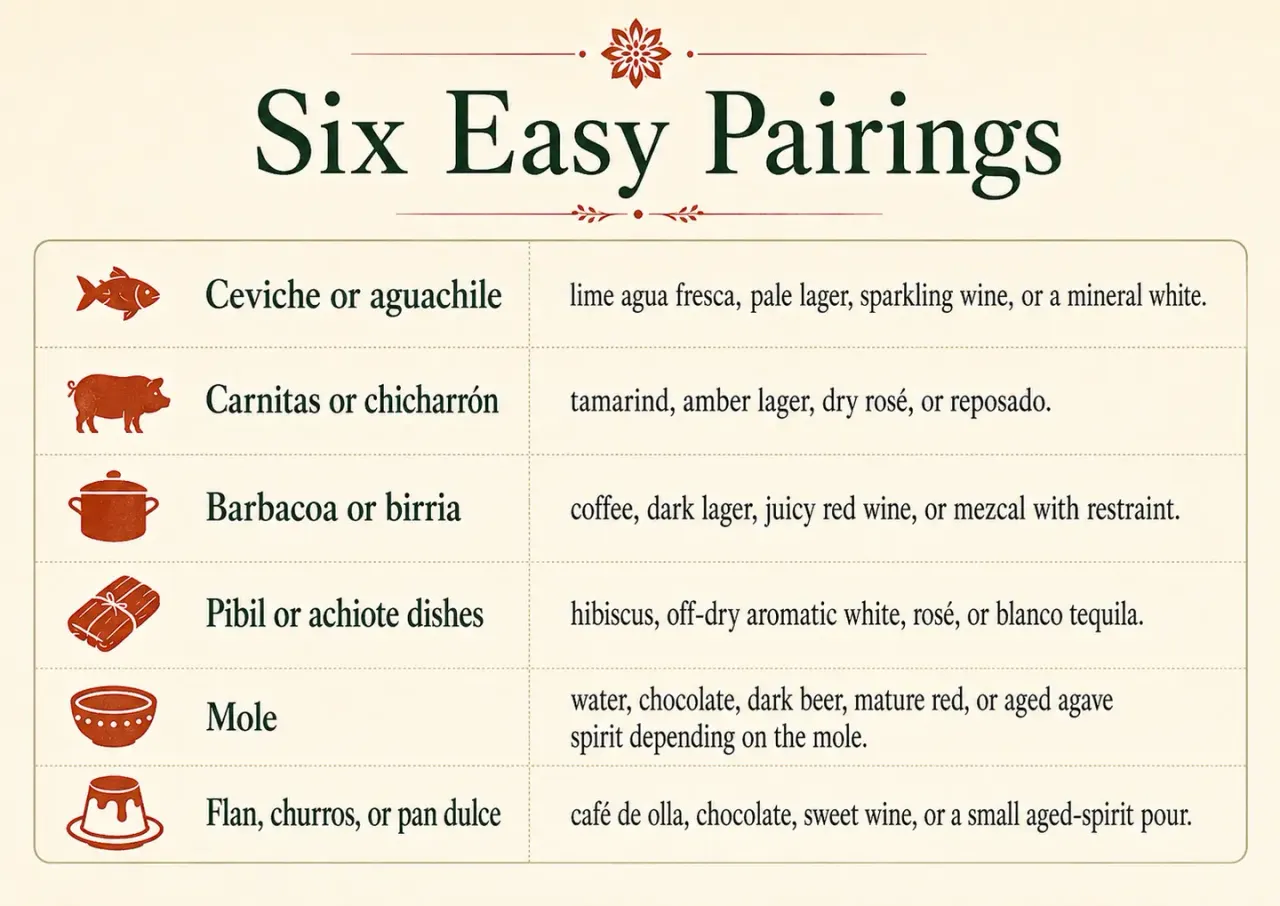 Open full size ↗
| Dish | Start with |
|---|---|
| Ceviche or aguachile | Lime agua fresca, pale lager, sparkling wine, or a mineral white |
| Carnitas or chicharrón | Tamarind, amber lager, dry rosé, or reposado |
| Barbacoa or birria | Coffee, dark lager, a juicy red, or restrained mezcal |
| Pibil or achiote dishes | Jamaica, an aromatic white, rosé, or blanco tequila |
| Mole | Water, chocolate, dark beer, a mature red, or an aged spirit depending on the mole |
| Flan, churros, or pan dulce | Café de olla, chocolate, sweet wine, or a small aged-spirit pour |
HOSTING RULE: Offer at least one genuinely good nonalcoholic drink, plenty of water, and smaller spirit pours. Hospitality is not measured by how efficiently the table becomes unable to pronounce chilaquiles.
Sources & notes
Owner-supplied articles retain their controlling source copy. Any research references listed below were checked on September 16, 2026.
- Good Buddy Butter Club owner source: Pairings and Drinks.docx