

Ask ten people to define Mexican food and you may get twelve answers, three arguments about tortillas, and somebody’s grandmother entering the room to settle it. That is not a flaw in the cuisine. It is the point.
Mexican cooking is not a greatest-hits playlist of tacos, guacamole, and one suspiciously orange cheese sauce. It is a living food system shaped by Indigenous agriculture, regional ecosystems, conquest, migration, religion, trade, family labor, street commerce, and the daily question every cook eventually has to answer: What can I make from what is here? UNESCO recognized traditional Mexican cuisine in 2010 not as a single menu, but as a cultural model linking farming, ritual, technique, community knowledge, cooking, and eating.
Before Mexico Was Mexico
Long before the modern nation existed, the lands now called Mexico supported many distinct peoples and foodways. Maize, beans, squash, chiles, tomatoes, tomatillos, quelites, cacao, amaranth, avocados, turkeys, fish, insects, and wild plants were not a rustic preface to “real” cuisine. They were the cuisine—and the agricultural intelligence behind them was extraordinary.
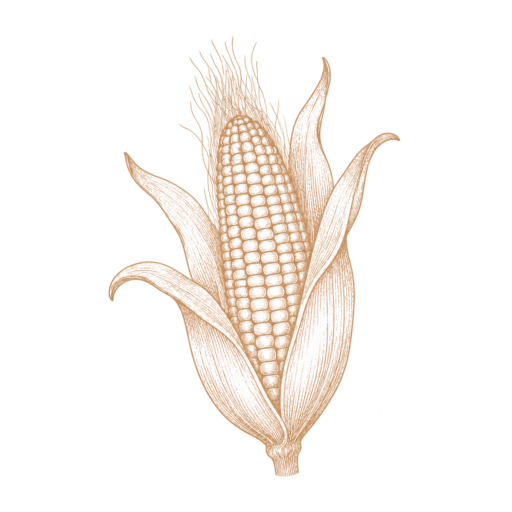
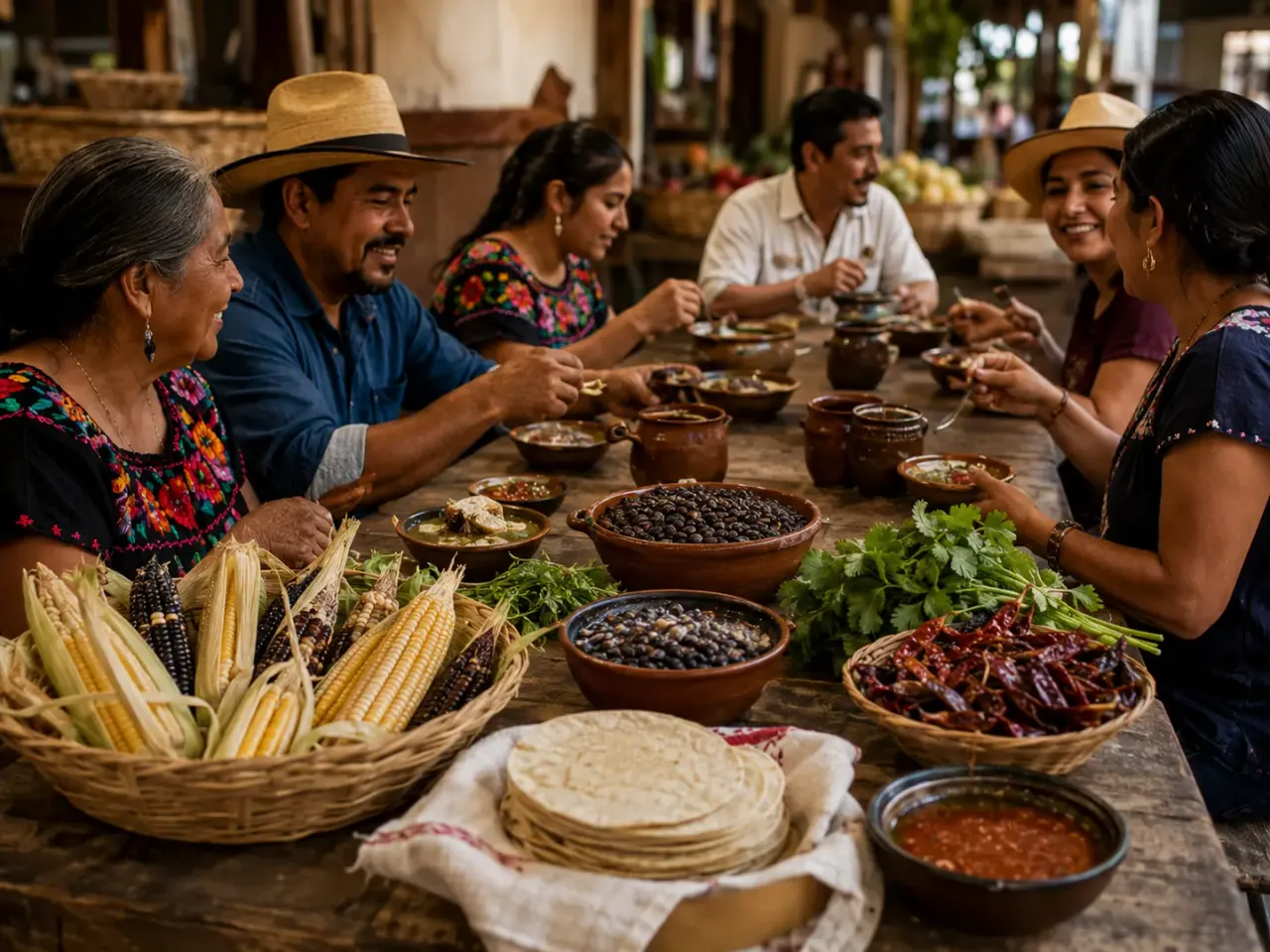
Corn is the clearest example. Mexico does not have one corn; it has an astonishing continuum of colors, textures, growing habits, and culinary uses. CONABIO currently reports 64 maize races in Mexico, 59 considered native. Some are good for tortillas, others for pozole, tamales, pinole, roasting, popping, or surviving a particular climate. A blue tortilla and a white pozole kernel are not paint samples from the same hardware aisle. They are different tools.
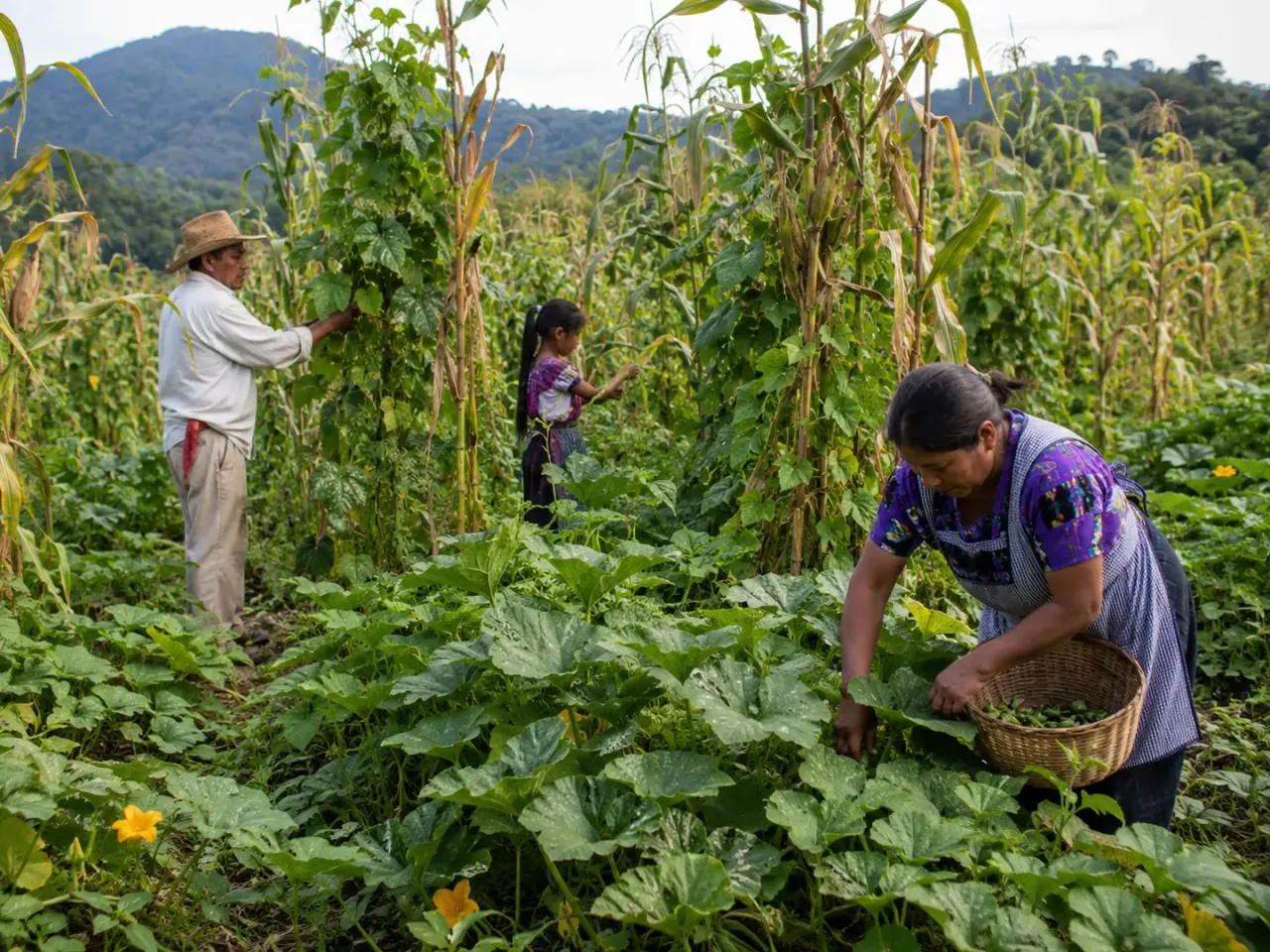
The milpa—often described through the partnership of maize, beans, and squash—is likewise more than a field. In many communities it is a managed polyculture, pantry, seed bank, classroom, and insurance policy. The FAO designated the Ich Kool Maya milpa of the Yucatán Peninsula as a Globally Important Agricultural Heritage System in 2022, recognizing a tradition that has supported food, biodiversity, and cultural continuity for at least 3,500 years.
The Technology in the Tortilla
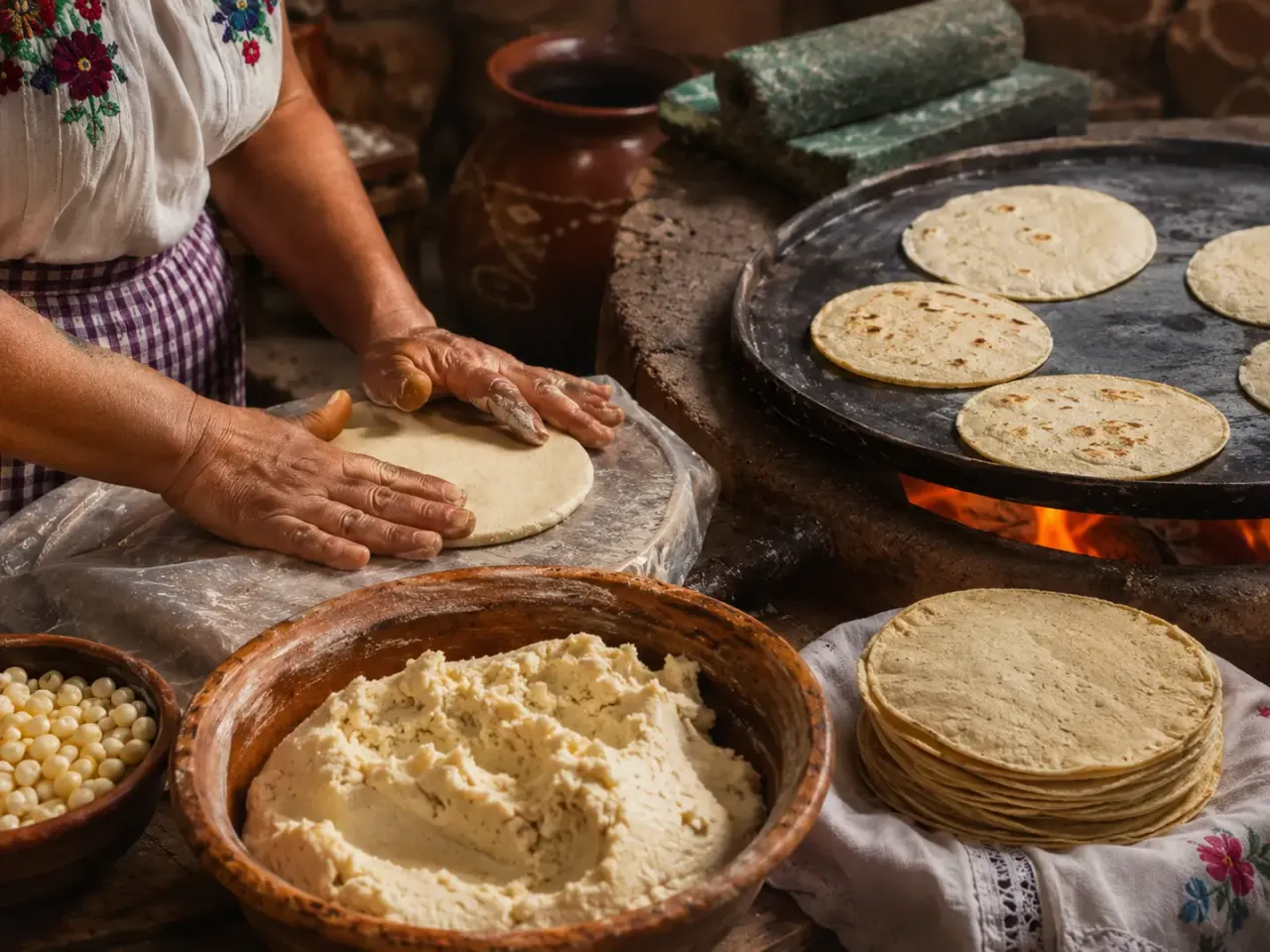
One of the cuisine’s foundational technologies is nixtamalization: cooking and steeping dried maize in an alkaline solution, traditionally made with ash or food-grade lime, then washing and grinding it into masa. The process softens the hull, changes aroma and texture, helps the corn bind into a workable dough, increases calcium, makes niacin more available, and can reduce certain contaminants. In other words, the tortilla is not “just corn.” It is chemistry wearing an apron.
That chemistry also helps explain why a good tortilla smells like toasted grain, bends without filing a complaint, and can function as bread, utensil, plate, wrapper, and late-night rescue plan.
Conquest Changed the Pantry—and the Power Structure
Spanish colonization brought wheat, rice, pigs, cattle, chickens, dairy, cane sugar, citrus, almonds, sesame, and Old World herbs and spices. Those ingredients became deeply Mexican, but the exchange was not a cheerful potluck. It came through conquest, coercion, forced labor, religious pressure, land change, and attempts to replace Indigenous foods—especially maize—with European ones.
The kitchen did what kitchens often do under pressure: it absorbed, resisted, adapted, and made something new. Pork met chiles. Rice joined the midday comida. Wheat became bolillos, conchas, and pan de muerto. Cinnamon and sesame found their way into moles. The resulting food is often called mestizo, but that word should not flatten the unequal history behind the mixture—or erase the Indigenous systems that carried the cuisine forward.
A Cuisine That Keeps Moving
Mexican food did not stop evolving when the colonial period ended. Lebanese migration helped shape tacos árabes and, later, al pastor. Chinese-Mexican communities transformed the food of Mexicali and the northern border. Afro-Mexican and Caribbean histories are woven through Gulf cooking. Internal migration turned Mexico City into a hungry archive where regional ingredients and dishes meet. Mexican communities in Los Angeles, Chicago, Houston, and beyond continue the same work: preserving memory while cooking with a new neighborhood around them.
That is why “authentic” is a useful word only when it comes with a location, a family, and a little humility. Authentic to whom? Which town? Which decade? Which grandmother is about to correct us?
Food as Social Infrastructure
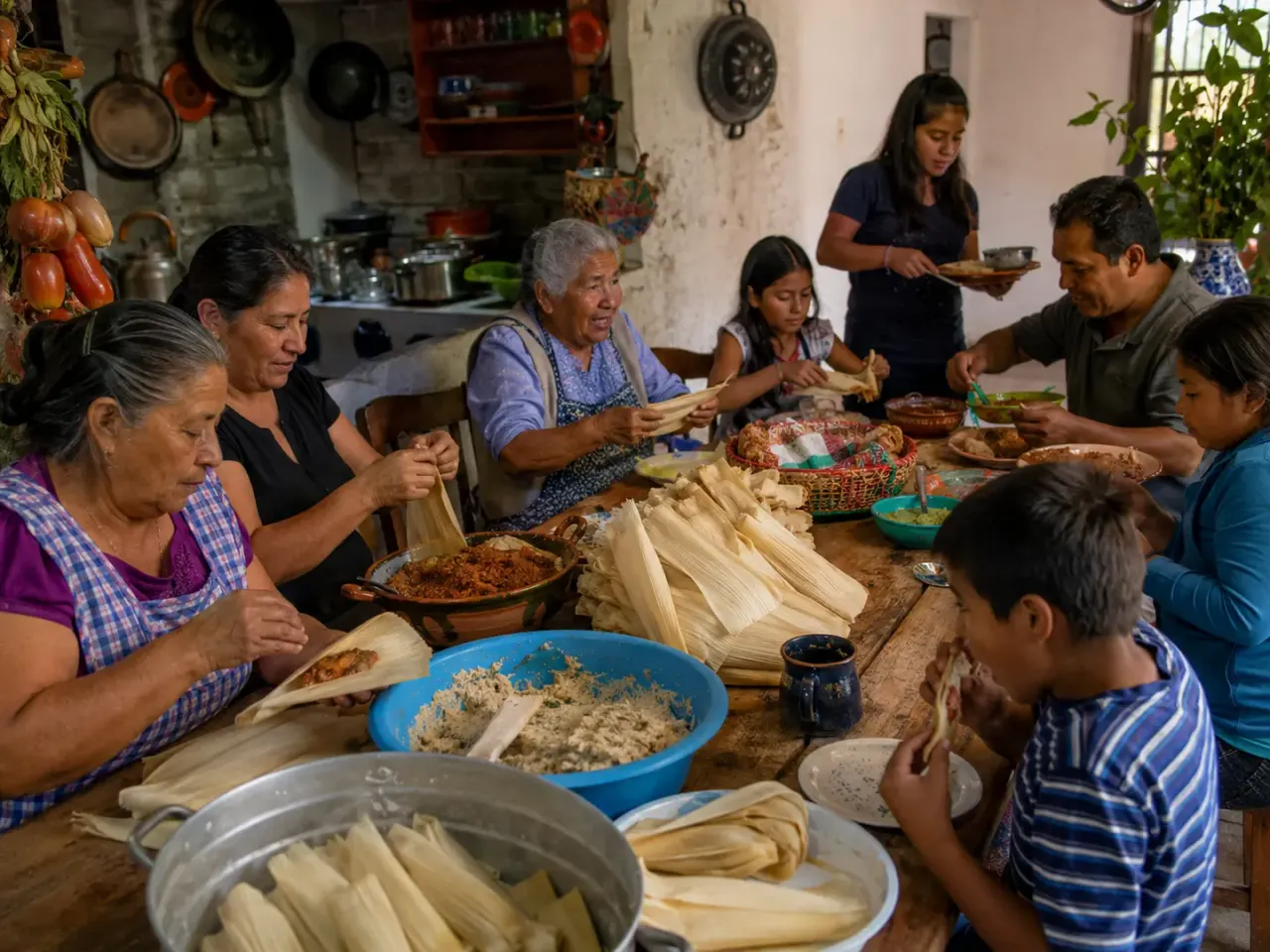
Markets, fondas, taquerías, cenadurías, tamaladas, fiestas, and family tables do more than feed people. They organize time and community. In Oaxaca, the idea of guelaguetza—reciprocity, giving, and receiving—can include food, labor, mezcal, beans, turkeys, or help owed across generations. Convivencia is the pleasure and obligation of being together. Sobremesa is the conversation after eating, when nobody is rushing to clear the table because the table is still doing its job.
Then there is sazón: not a seasoning packet, but a cook’s accumulated judgment. Sazón is knowing when the chile needs thirty more seconds, when the beans need salt, and when a sauce is technically finished but emotionally unfinished.
The Nutrition Hiding in Plain Sight
A systematic review of the traditional Mexican diet found its most consistent pillars to be grains and tubers, legumes, and vegetables—especially maize, beans, chile, squash, tomato, and onion. That pattern can deliver fiber, complex carbohydrates, plant protein, minerals, and a remarkable range of plant compounds. Pairing maize and beans also improves the overall amino-acid balance of the meal, while nixtamalization changes corn’s nutritional usefulness as well as its flavor.
None of this means every Mexican dish automatically arrives wearing a health halo. Carnitas are still carnitas. Sweet bread is still sweet. Cheese, salt, frying fat, portion size, sugary drinks, and highly processed convenience foods still count. The useful lesson is not that “Mexican food is healthy” or “Mexican food is heavy.” It is that the traditional pattern contains a strong, flexible foundation: corn, beans, vegetables, herbs, chiles, seeds, fruit, broth, and food made close to the people eating it.
THE BIG IDEA: Mexican cuisine’s genius is not one secret ingredient. It is the coordination of agriculture, technique, memory, contrast, and community. Learn the system and the recipes stop looking like isolated instructions. They start talking to one another.
Sources & notes
Owner-supplied articles retain their controlling source copy. Any research references listed below were checked on September 16, 2026.
- Good Buddy Butter Club owner source: History and Culture.docx