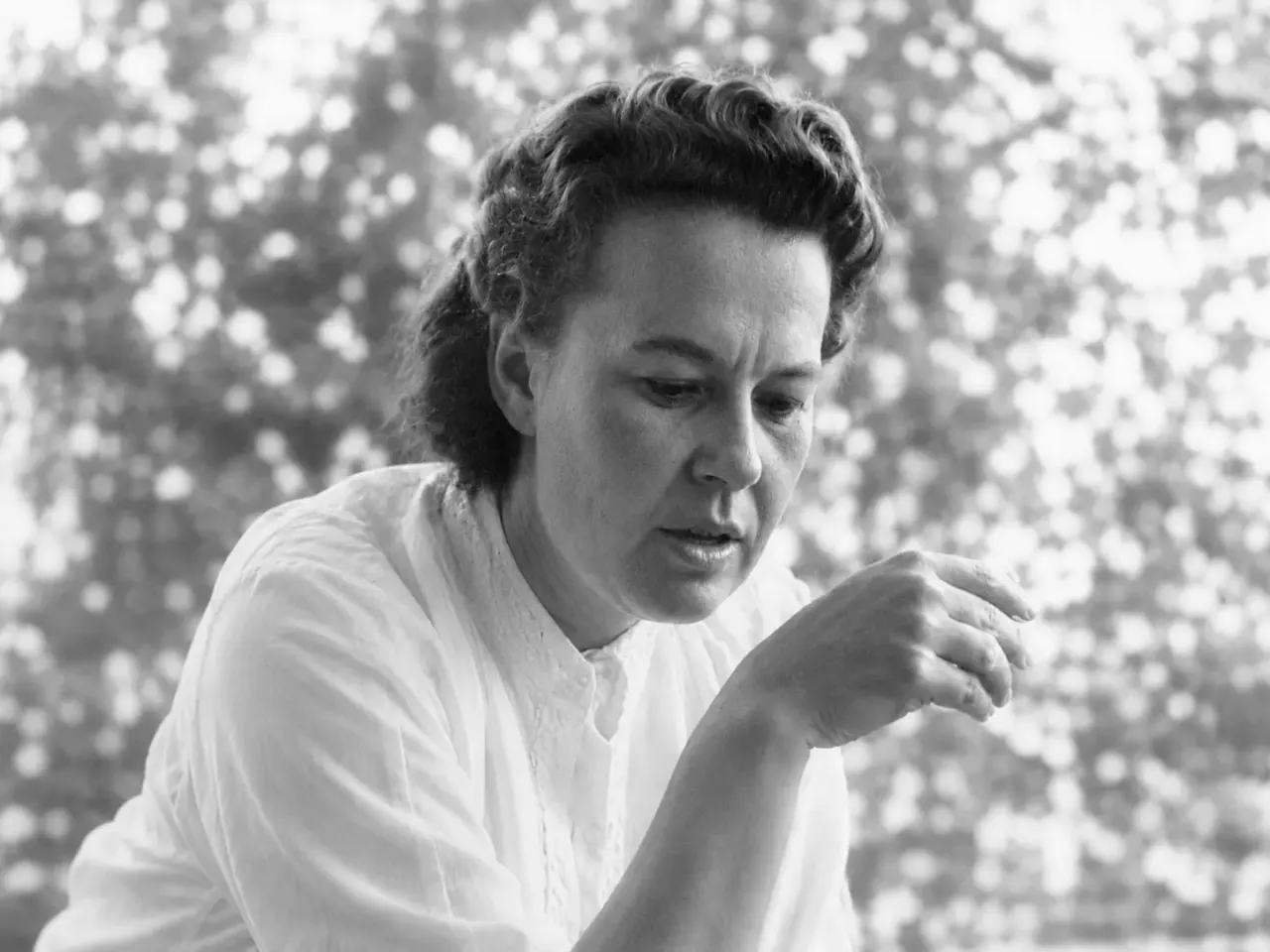
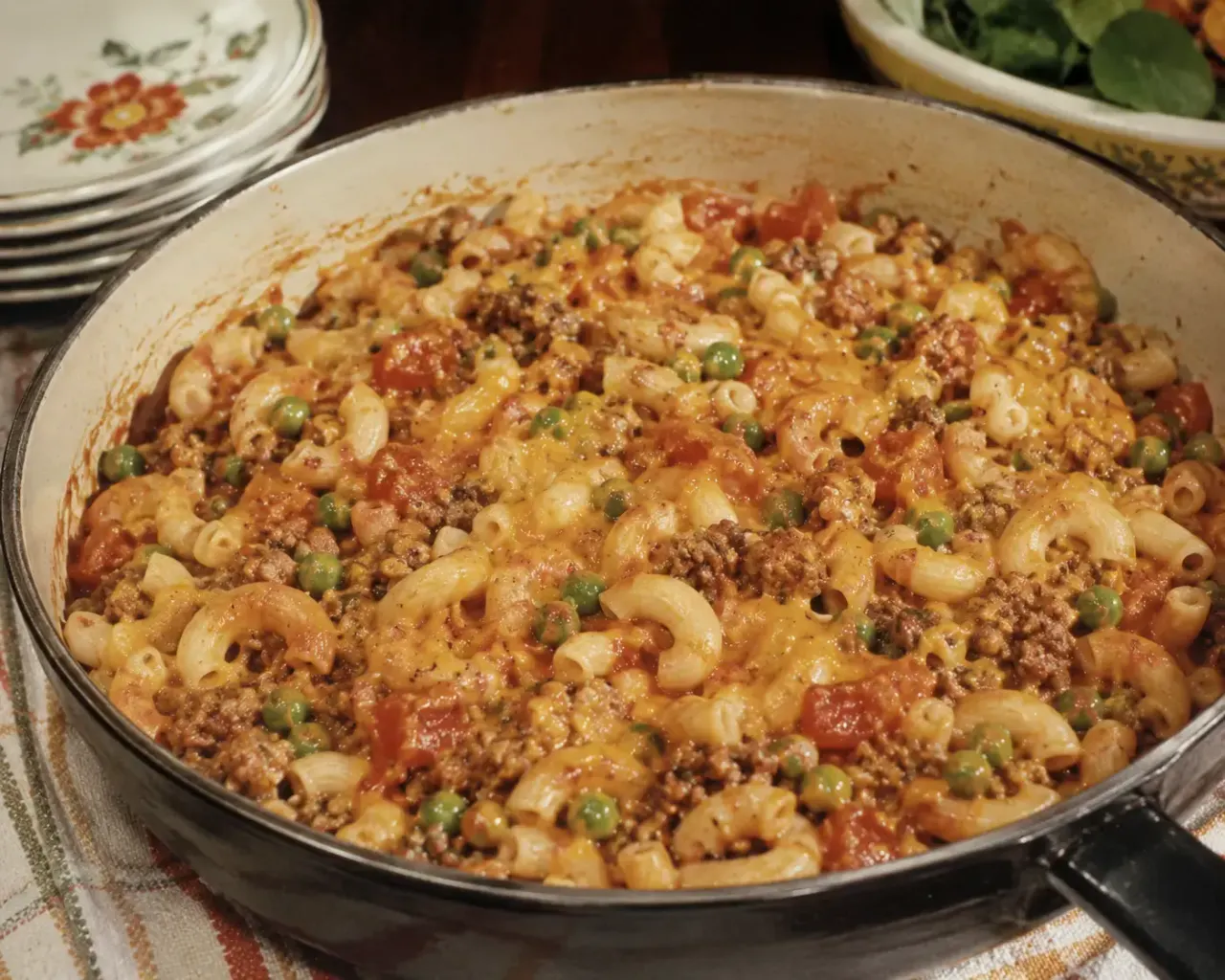
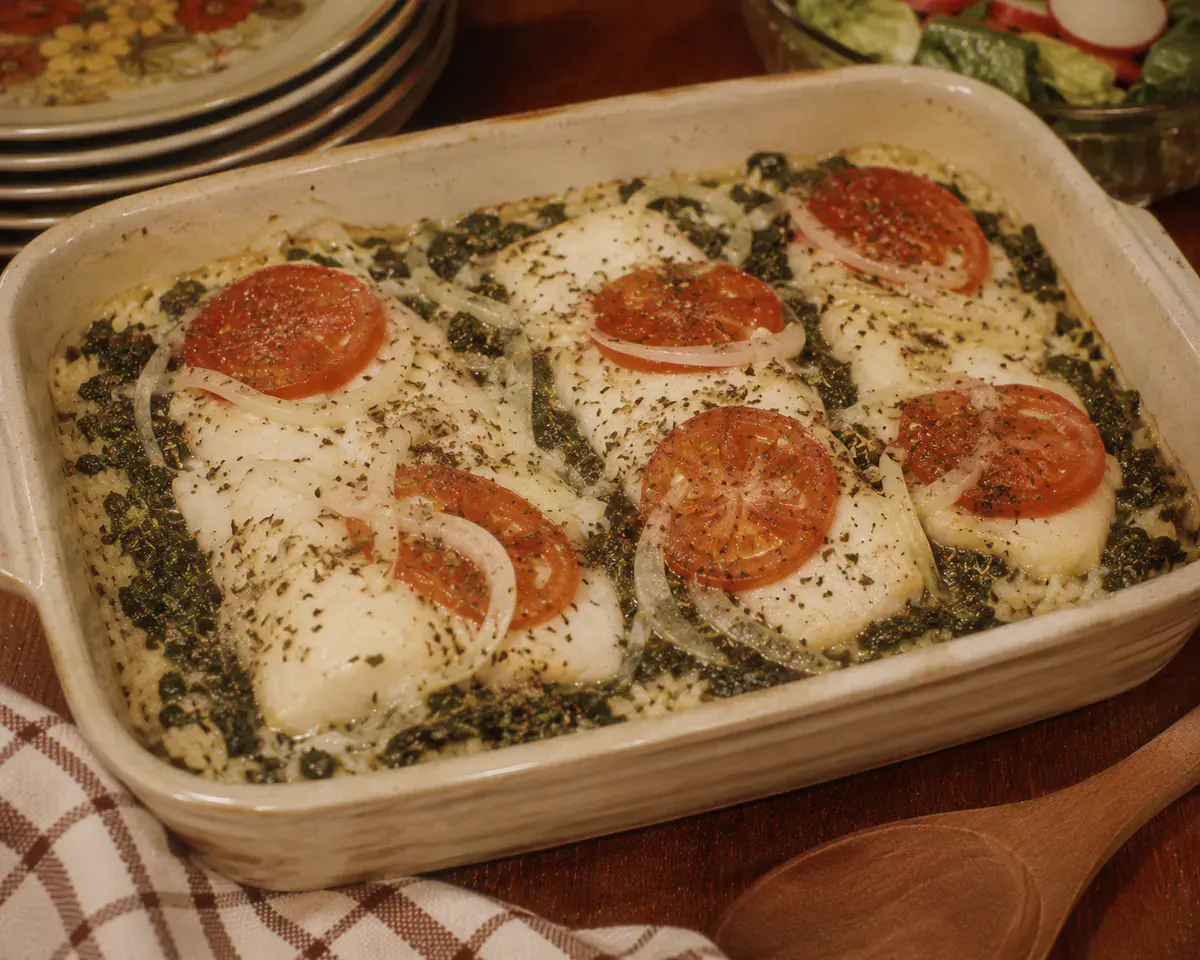
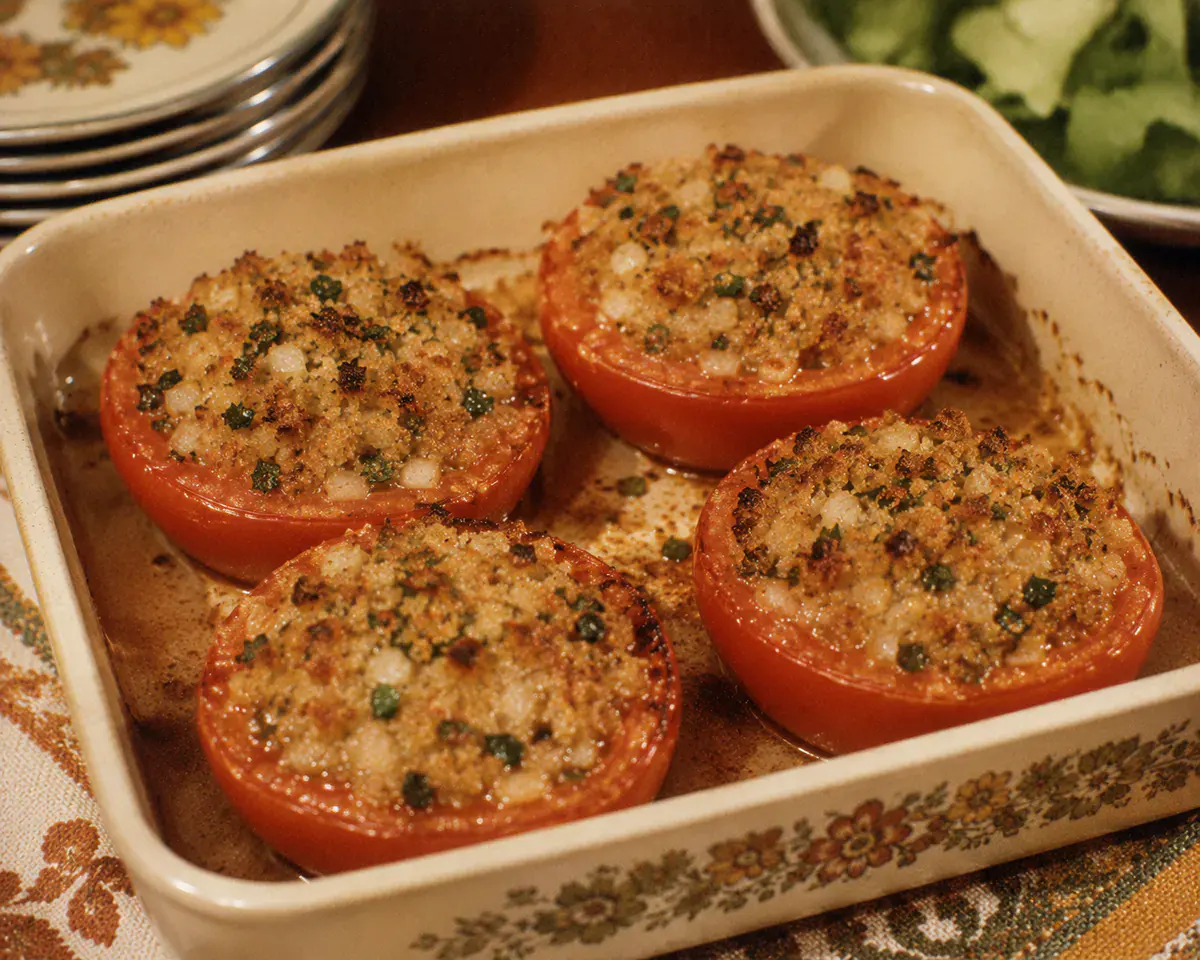
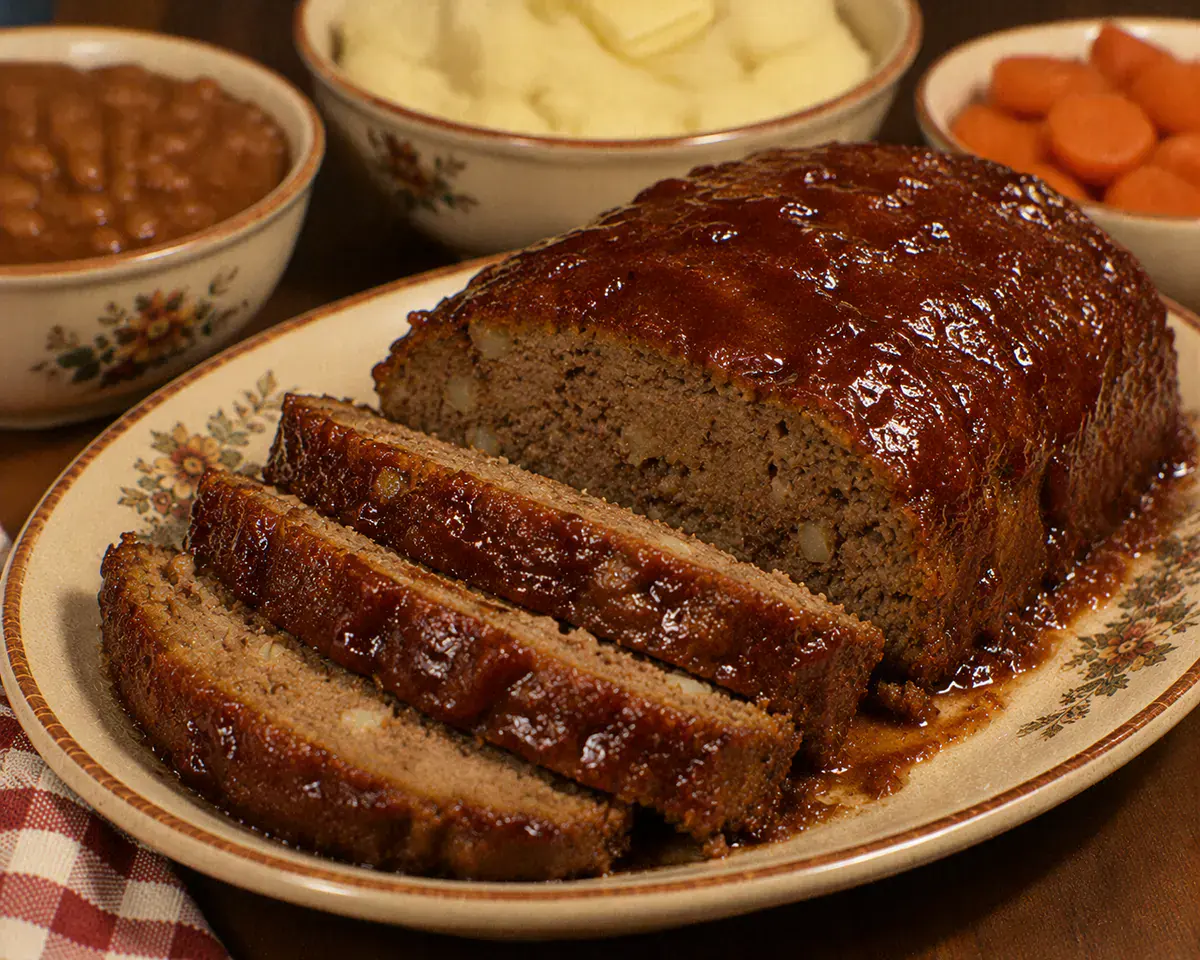
A life well lived around the table—and a recipe collection built from family, travel, resilience, and care.
A Life Well Lived Around the Table
OverviewMy Granny’s Recipes • About Betty
Meet Betty Lou Gardner
Betty Lou Gardner’s recipes were never created in a test kitchen. They were gathered over a lifetime—in family kitchens, during years of travel, and on handwritten cards tucked into well-used recipe boxes. Each one carries a memory of someone she loved and a simple conviction: good food has a way of bringing people together.
Born in a small Montana town during the Great Depression, Betty’s life would eventually carry her from Poplar to wartime Tacoma, across continents to Rio de Janeiro, through New York and Connecticut, and finally into the mountain communities of Jackson Hole, Wyoming, and Pincher Creek, Alberta.
Every place changed her. Every chapter added something to the way she cooked, welcomed people, raised a family, and made a home.
Good food has a way of bringing people together. We are honored to preserve Betty’s recipes, the stories around them, and the welcome she created wherever a table was set.
Growing Up in Montana
Chapter OnePoplar, Montana • 1924–1941
A Childhood Shaped by Resourcefulness
Betty Lou Gardner was born on May 1, 1924, in Poplar, Montana, near the Fort Peck Indian Reservation. She was the younger daughter of Walter Blair and Almeda Foubert. Walter owned a bar and raised racehorses, while Almeda was a homemaker. Betty’s only sister, Virginia, was nine years older.
Betty grew up during the Great Depression, when nearly everything had to be used carefully and nothing could be taken for granted. Her family had very little. Betty later remembered that she was twelve years old before she owned her first toothbrush—a small but revealing detail about the poverty and resourcefulness that shaped her early life.
Those circumstances taught her lessons she carried for the rest of her life: take care of what you have, waste as little as possible, and find a way to make enough.
School, Music, and Community
Poplar was a close-knit community, and its location near the Fort Peck Indian Reservation was an important part of Betty’s childhood. Many of her close friends were Native American, and the friendships and neighborly spirit of the community left a lasting impression on her.
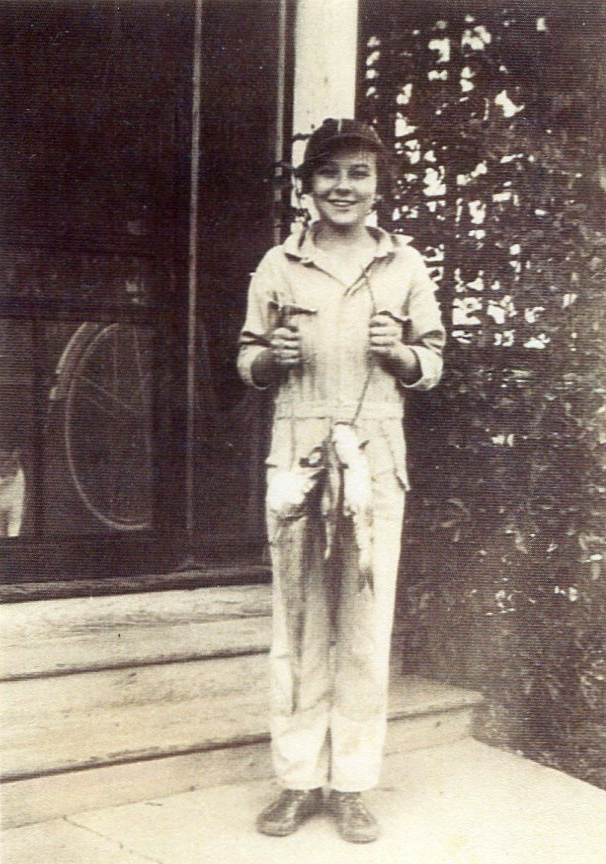
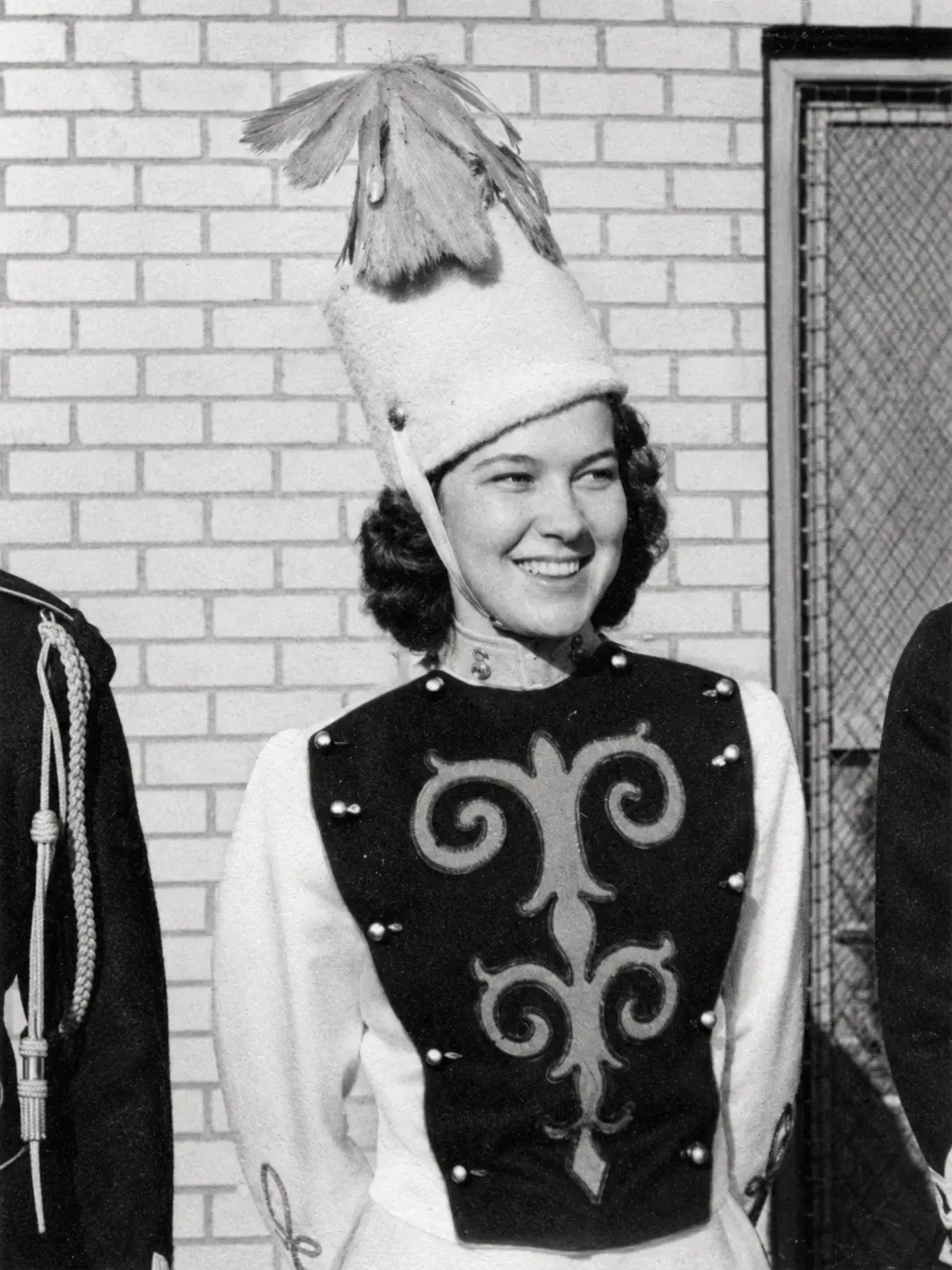
Betty was both social and studious. She swam in creeks, fished with friends, helped in the hay fields, rode her bicycle, and went to the movies. At school, she played the clarinet and served as the drum majorette, bringing together the discipline of music with the outgoing personality her family remembers so clearly.
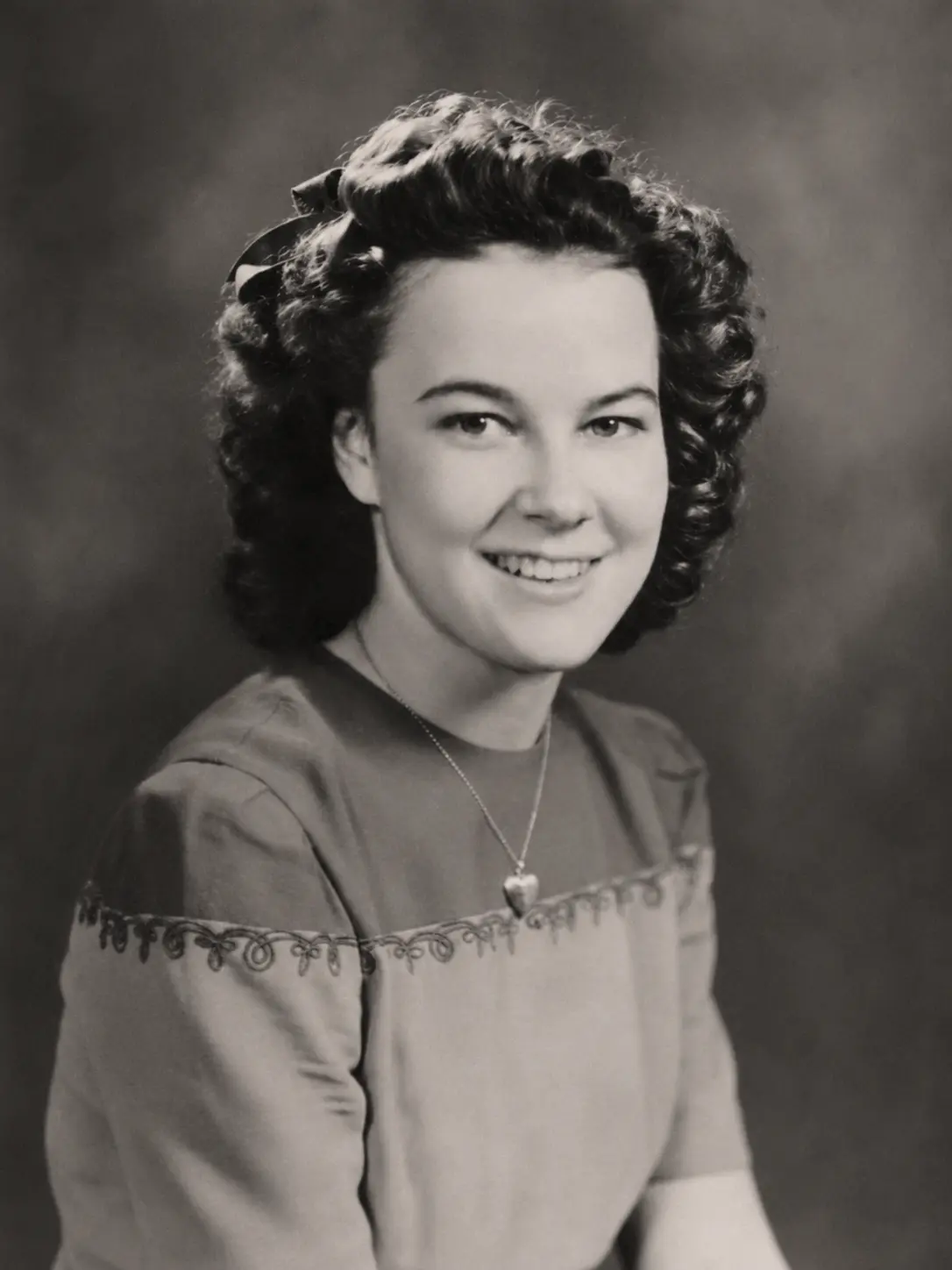
She graduated from high school in 1941.
Betty’s senior portrait, 1941.
A young Betty after a day of fishing.
Betty as a clarinet player and drum majorette during her high-school years.
Home, Heart, and Hard Work
At home, Betty learned that food was work, thrift, and care in equal measure. Her mother made nearly everything by hand, and the family maintained a Victory Garden. The vegetables they grew were canned and stored to help carry the household through the long Montana winters.
Cooking was not presented as a performance. It was part of the family’s survival, rhythm, and responsibility. Food had to last. Meals had to be practical. What came from the garden had to be preserved rather than wasted.
Long before Betty had a recipe collection of her own, she was learning the habits that would define it: make use of what is available, prepare for the season ahead, and feed people with care.
A recipe can hold a place, a person, and a memory—all at once.
From Scratch and Into the Wider World
Chapter TwoTacoma • Rio de Janeiro • Pelham • Connecticut
Wartime Work in Tacoma
After graduating in 1941, Betty left Poplar and moved to Tacoma, Washington. There, she worked in military shipyards supporting the country’s wartime effort.
For a young woman raised in a small Montana community, Tacoma represented an entirely different world. The work was industrial, the city was busy, and the war shaped nearly every part of daily life. Yet even in that uncertain period, food and hospitality became part of the story that would change Betty’s future.
A Photograph and an Introduction
Betty’s older sister, Virginia, frequently invited servicemen into her home for meals. These were not isolated occasions. Feeding servicemen was a regular expression of hospitality during the war years—a way to offer warmth, conversation, and something home-cooked to people living far from their own families.
At one of those meals, a young man named George Hufsmith saw a photograph of Betty. He told Virginia that he wanted to meet the young woman in the picture.
The beginning of Betty and George’s story was therefore tied to two things that would reappear throughout Betty’s life: a family photograph and a welcoming table.
Marriage and Life in Rio
In 1946, Betty left Tacoma for Rio de Janeiro, Brazil. She and George Hufsmith were married in Rio.
For a young woman from Poplar, the move was transformative. The mountains, beaches, architecture, language, and daily rhythms of Rio opened a world unlike anything she had known in Montana or Washington.
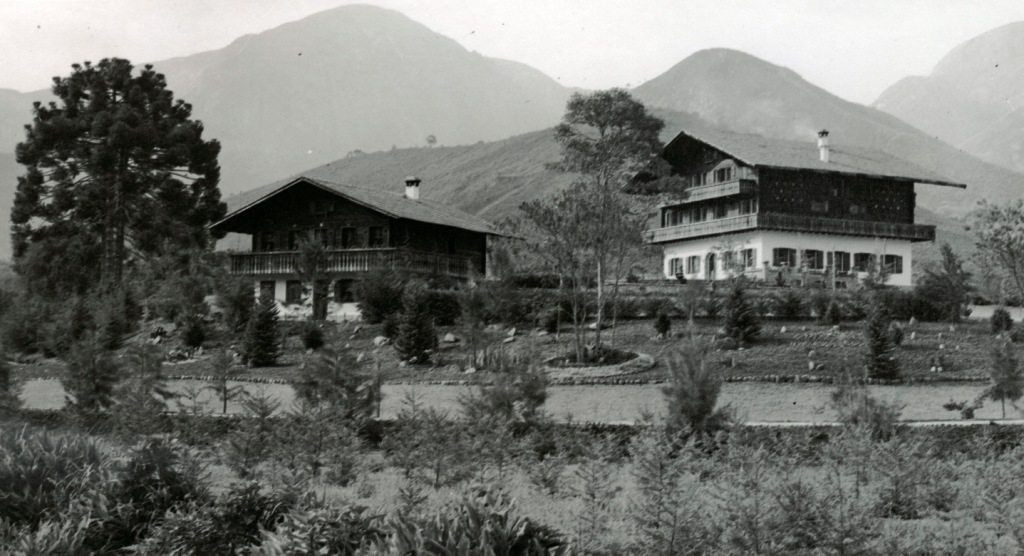
A wider view of the “Sao Moritz” property and grounds on the Gávea Mountain golf course.
A Larger Idea of Home
Chapter Two · ContinuedLiving in Brazil
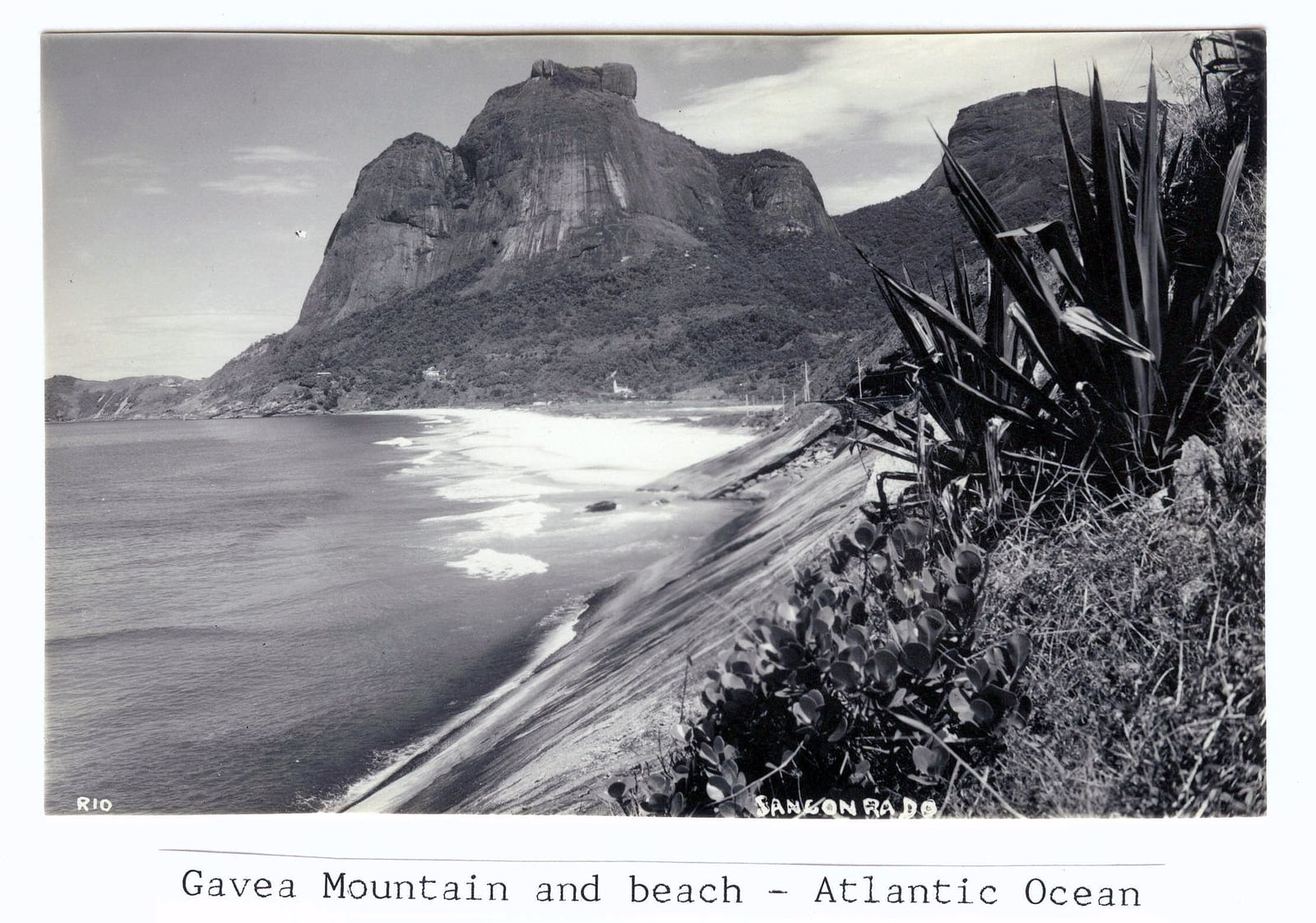
Gávea Mountain and the Atlantic coastline, Rio de Janeiro.
Marriage and Life in Rio
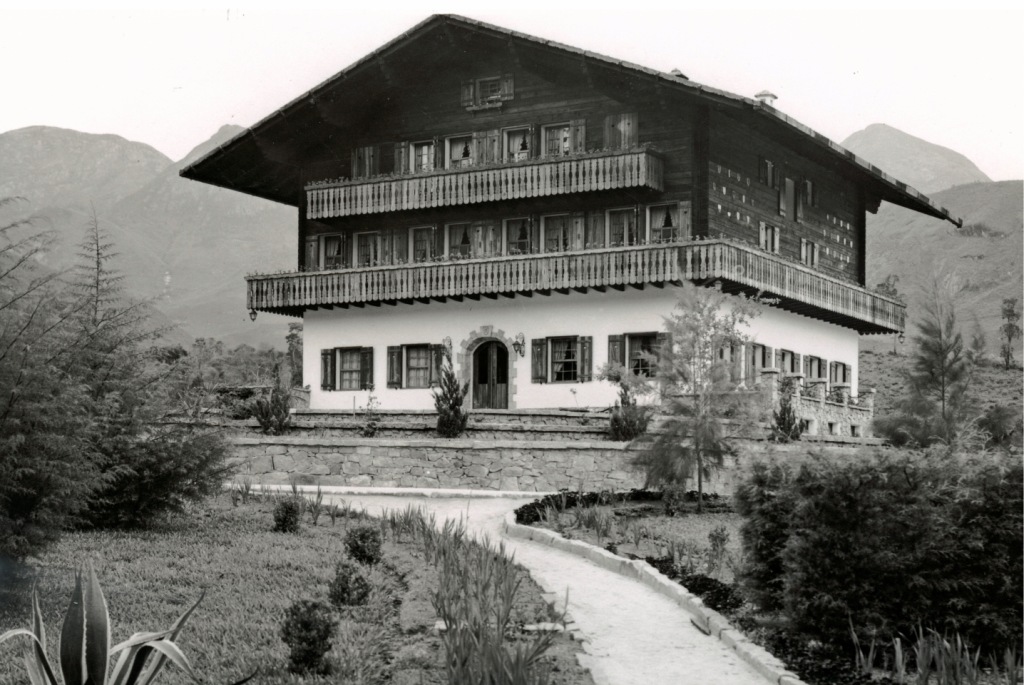
Family photographs from this chapter include two images labeled “Sao Moritz.” Although the exact meaning or formal spelling of that name has not yet been confirmed, the family understands the photographs to show a property located on the Gávea Mountain golf course in Rio de Janeiro.
The property, tropical landscape, and dramatic coastline help convey the distance Betty had traveled—not only geographically, but in experience. Within a few years, she had gone from Depression-era Poplar to wartime industrial work and then to married life in one of the world’s most distinctive cities.
New Flavors and a Larger Idea of Home
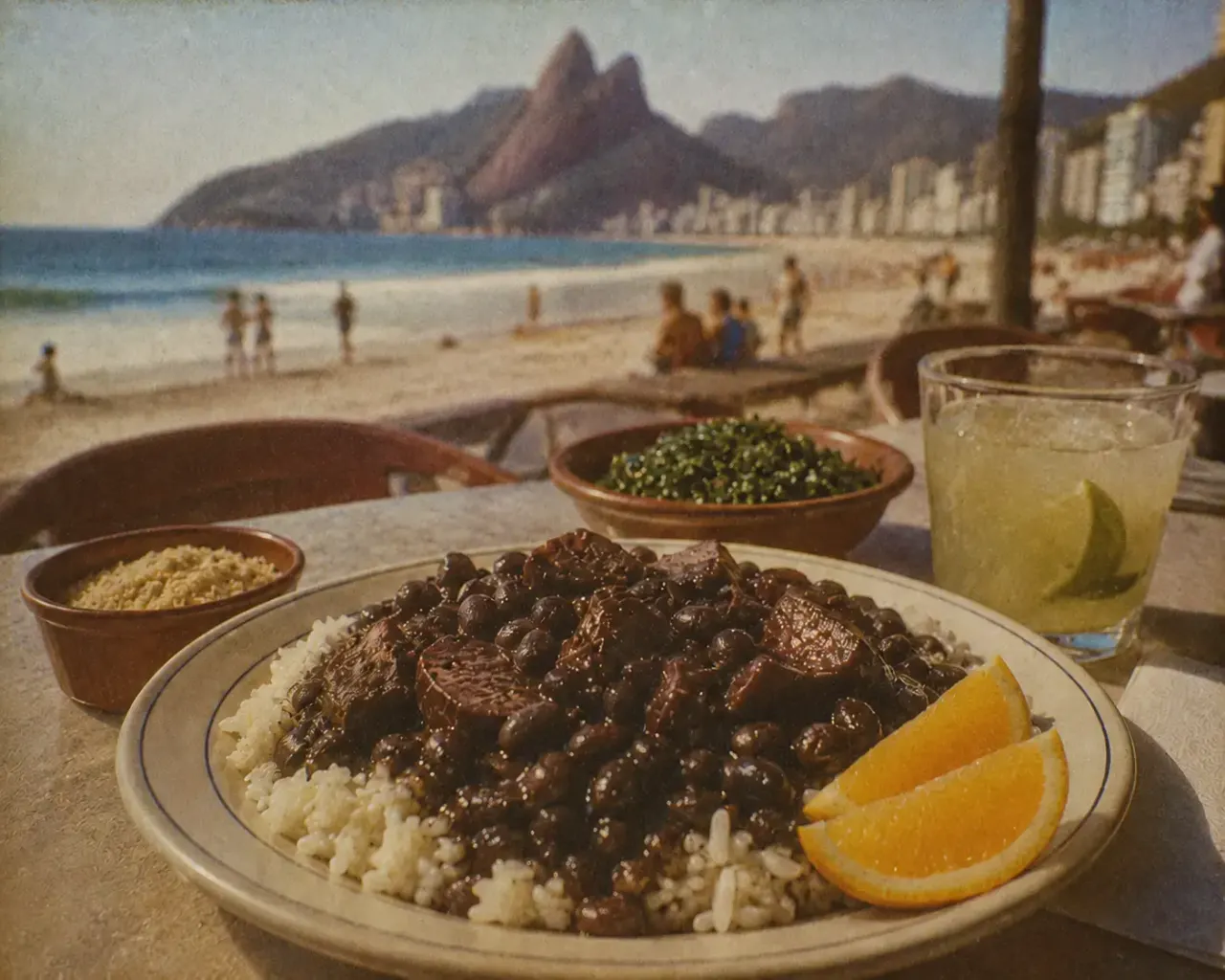
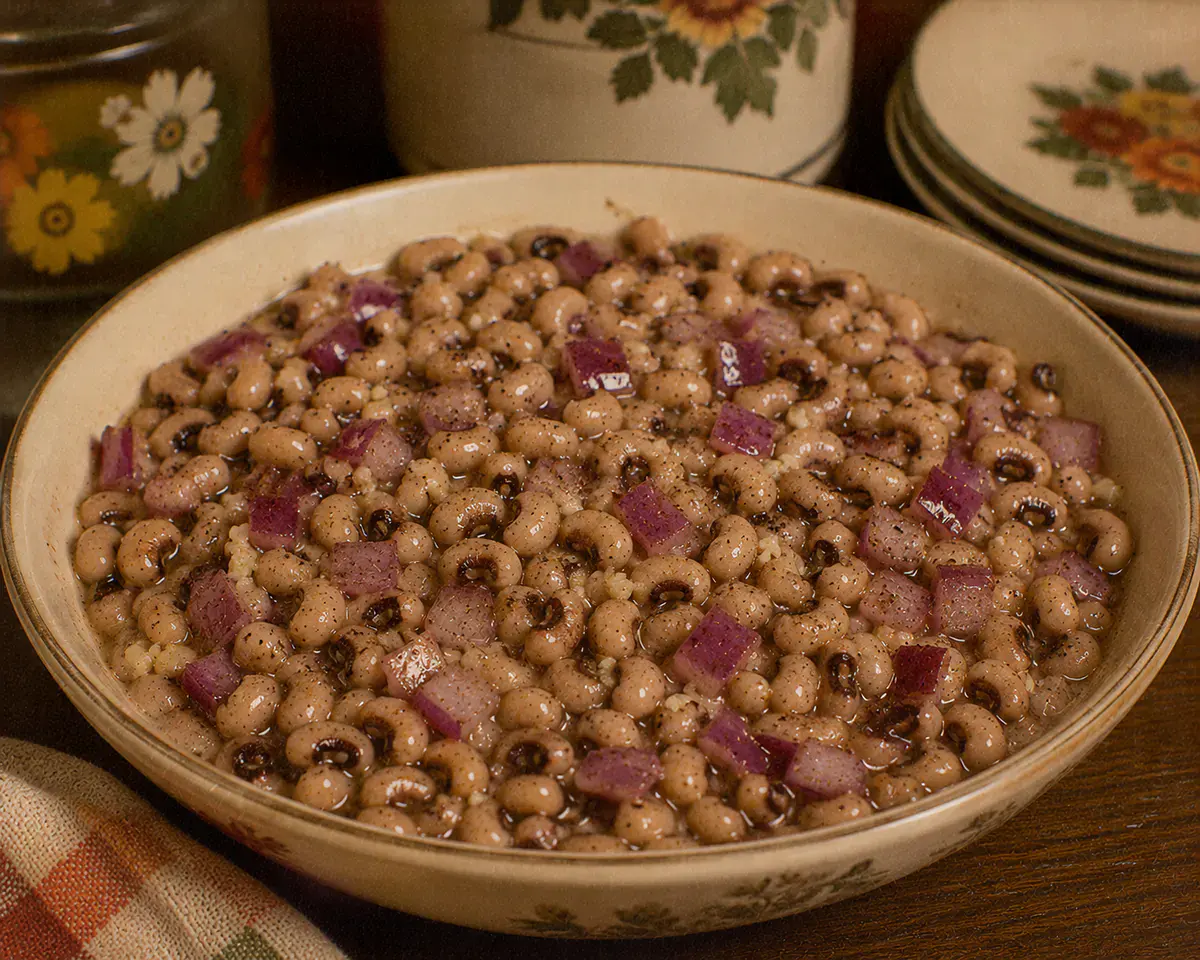
The existing family draft associates Betty’s time in Brazil with new ingredients, unfamiliar customs, and the warmth of Brazilian hospitality. One of the foods remembered from this chapter is feijoada, the slow-cooked black bean dish traditionally accompanied by foods such as rice, collard greens, orange slices, and toasted cassava flour.
Brazil expanded Betty’s sense of what home cooking could be. A meal could carry the character of a place, yet the purpose of hospitality remained familiar: make room, share what is available, and help people feel welcome.
From Brazil Back to the United States
Betty did not give birth to her first child in Brazil.
After leaving Rio, Betty and George lived in Pelham, New York, and later moved to Connecticut. Their first child, Martha Blair Hufsmith, and their second child, Emily Ward Hufsmith, were both born in Connecticut.
This period formed a bridge between Betty’s adventurous years abroad and the family life that awaited her in the American West.
A World Far Beyond Montana
New places gave Betty new flavors, new experiences, and a wider understanding of home—but hospitality remained the common language.
The main residence at the property identified in the family album as “Sao Moritz,” on the Gávea Mountain golf course in Rio de Janeiro.
Brazil widened Betty’s world and deepened the lesson that a welcoming table can make a home almost anywhere.
Raising a Family in Jackson Hole
Chapter ThreeJackson Hole, Wyoming • 1953 • The Family Table
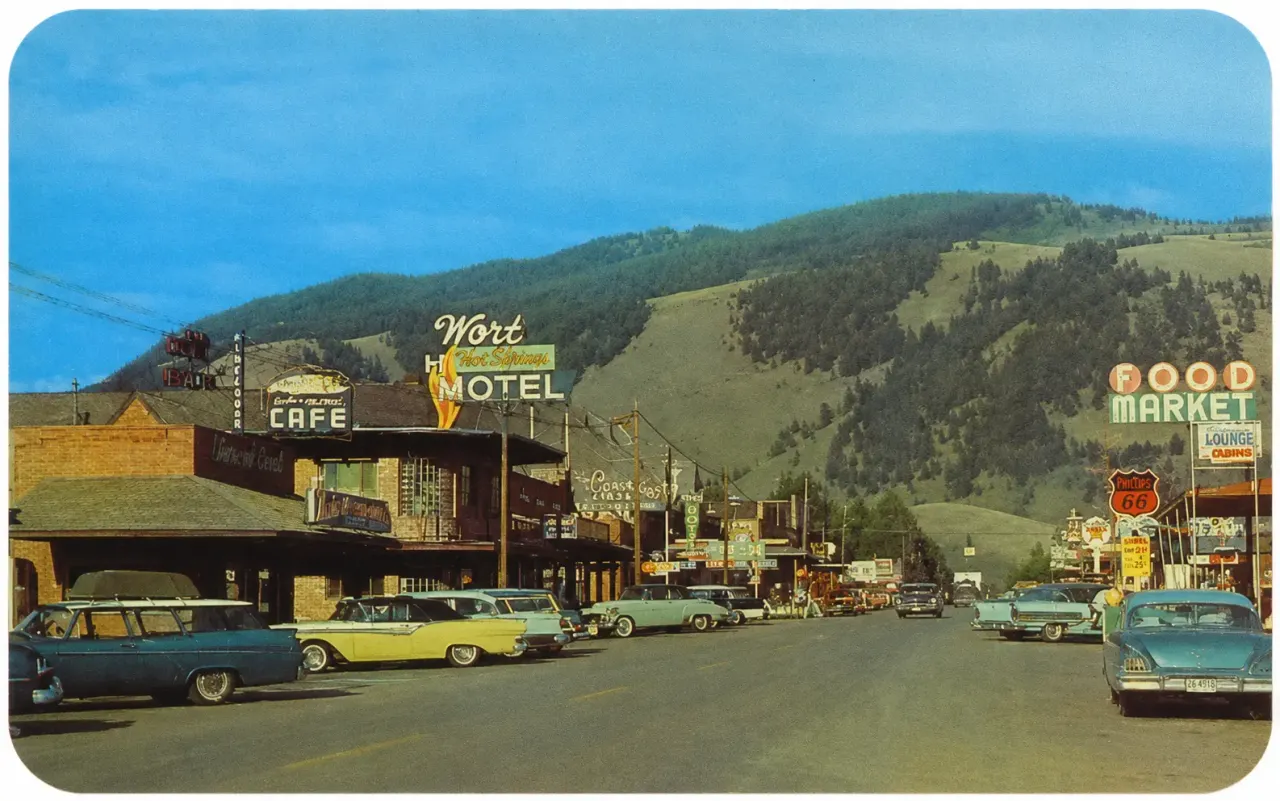
Jackson Hole in the 1950s.
A New Home in the West
After their years in Rio, Pelham, and Connecticut, Betty and her family moved to Jackson Hole, Wyoming, in 1953.
The move brought Betty back to the landscapes of the American West, but she returned with experiences that reached far beyond the Montana community of her childhood. In Jackson Hole, the resourcefulness she learned during the Depression, the independence she developed in Tacoma, and the larger sense of hospitality she encountered in Brazil all became part of the home she created for her family.
A Family of Six
Betty and George’s family eventually included four children: Martha Blair Hufsmith, their first child; Emily Ward Hufsmith, their second child; George William Hufsmith; and Elizabeth Ann Hufsmith. George and Elizabeth were twins.
Their home was busy, lively, and shaped by the needs of four growing children. Meals could not be precious or impractical. Food had to nourish a family, fit the household budget, work with what was available, and be dependable enough to make again.
The kitchen became the center of a growing family.
Daily Life at the Ranch Table
Home-cooked meals became the daily rhythm. Restaurants were limited, dinner at the table was expected, and the surrounding seasons influenced what could be bought, grown, stored, or prepared.
Betty became exceptionally skilled at feeding a busy family. Casseroles, roasts, breads, preserves, desserts, and other practical dishes that could feed several people became part of the household routine.
She learned which meals could stretch, which could be prepared ahead, which dishes children would reliably eat, and what could bring everyone to the table without being asked twice.
The kitchen was not separate from family life. It was at the center of it.
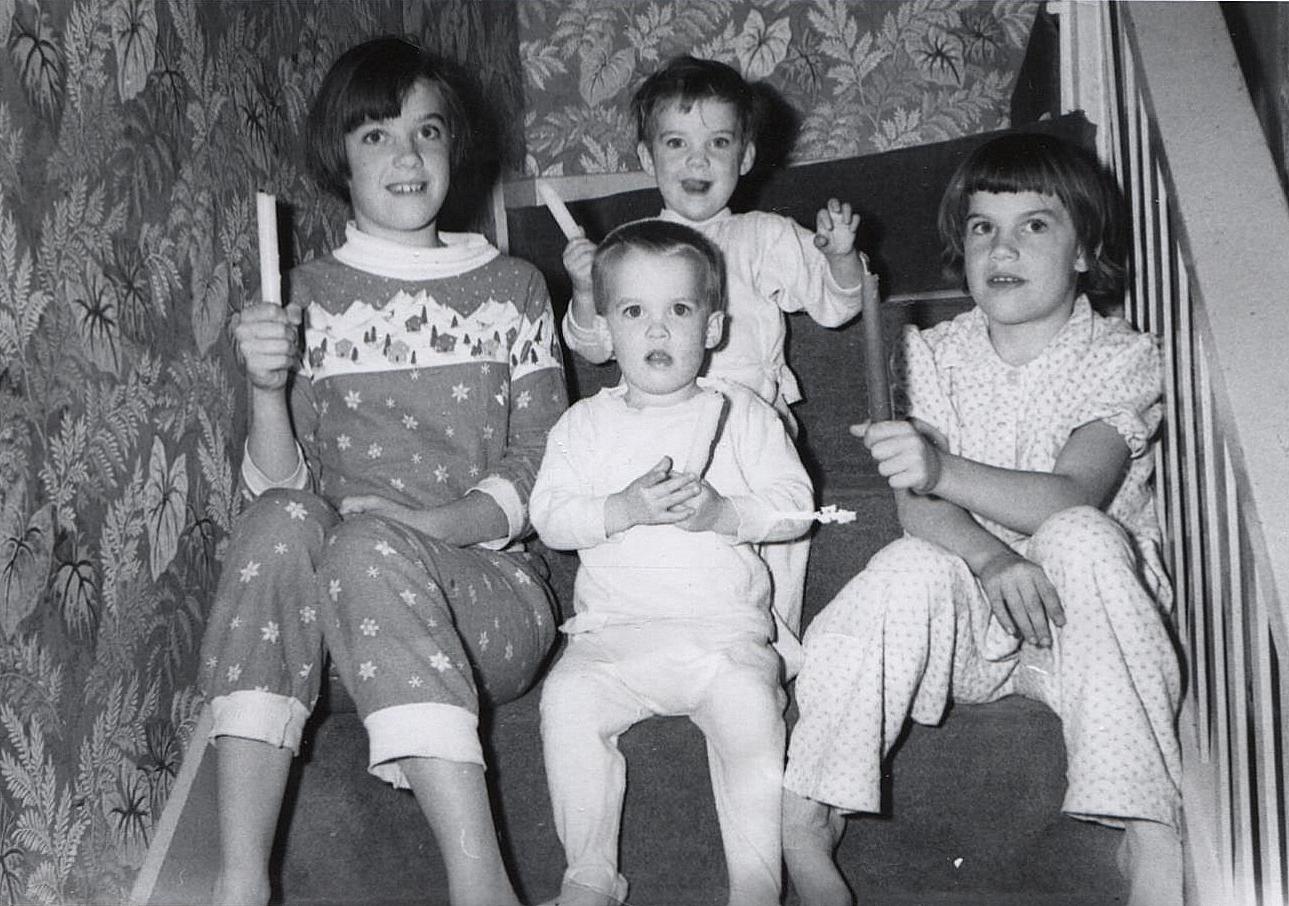
Betty’s four children together at home. From left to right: Martha Blair Hufsmith, George William Hufsmith, Elizabeth Ann Hufsmith, and Emily Ward Hufsmith.
A House Full of Life
Chapter Three · ContinuedThe Years Behind the Recipes
The Years Behind the Recipes
These were the years when Betty’s recipes were tested in real life: on busy days, through mountain winters, for hungry children, for guests at the door, and for a table that needed to be set again and again.
The collection that survives from these years reflects family practicality and affection. Recipes earned their place by working well, feeding enough people, and being requested repeatedly.
A stained card or dog-eared page was not evidence that a recipe had been neglected. It was evidence that the recipe had become part of the family.
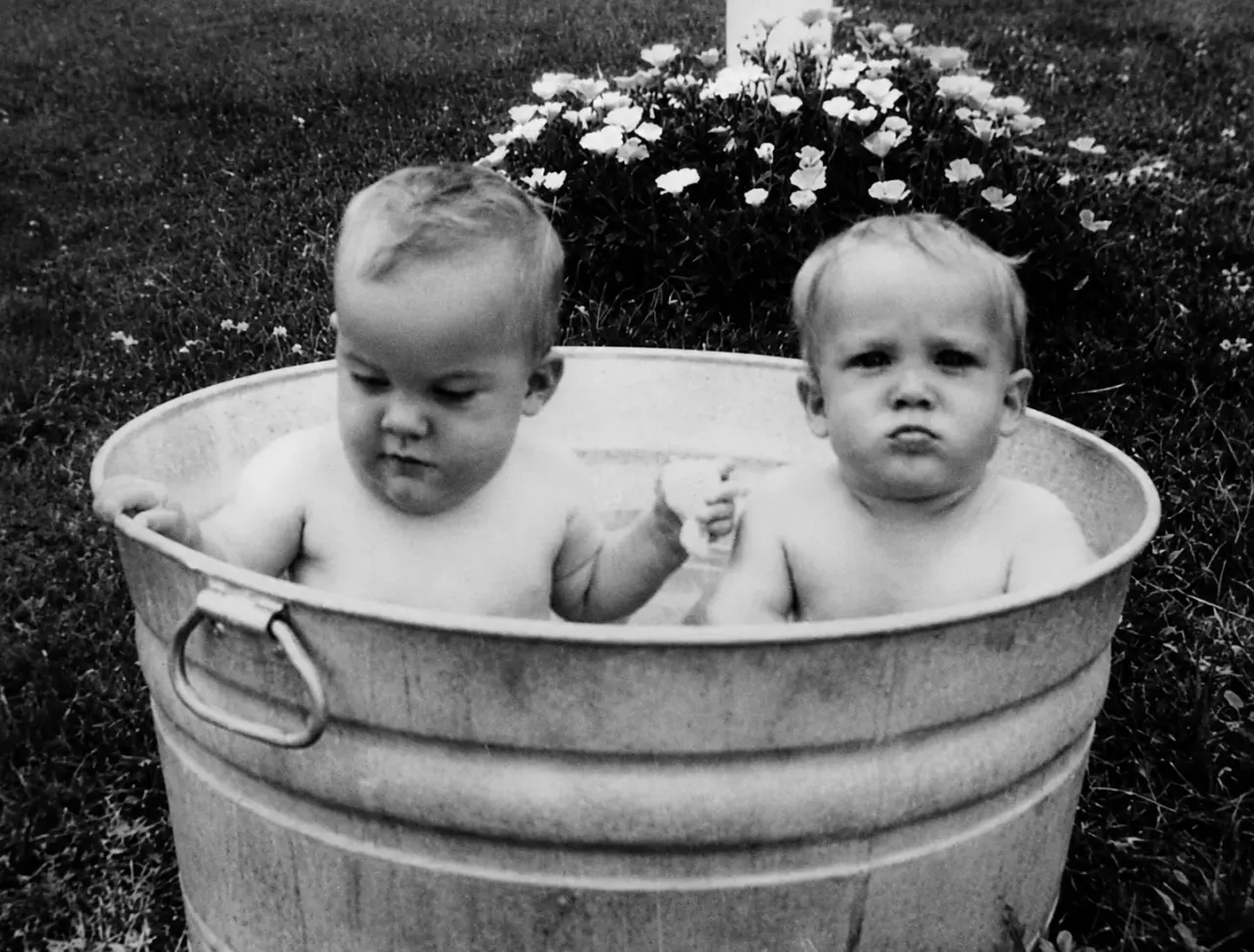
Twins Elizabeth Ann Hufsmith and George William Hufsmith sharing an outdoor bath.
Family Rhythms
The ordinary moments mattered: children gathered on the stairs, twins taking an outdoor bath in a galvanized tub, meals shared at home, and the noise and movement of a household in which someone was almost always hungry.
The home itself was lively and full. Meals were not a performance. They were care, memory, routine, and togetherness.
The ordinary family moments behind the recipes became precious with time.
Between Jackson Hole and Pincher Creek
Chapter FourJackson Hole • Pincher Creek • 1972 Forward
A New Chapter with Noel
In 1972, Betty married Noel Mepham Gardner.
Noel was already a Canadian citizen when they met. He worked as an avalanche researcher in the Selkirk Mountains, a profession rooted in mountain knowledge, observation, weather, snow, and the practical realities of life in rugged country.
Their shared appreciation for the outdoors became an important part of their life together.
Two Mountain Homes
Beginning in 1973, Betty and Noel lived part-time in Alberta. Their lives moved between Jackson Hole, Wyoming, and Pincher Creek, Alberta—two communities surrounded by expansive landscapes and strong traditions of self-reliance.
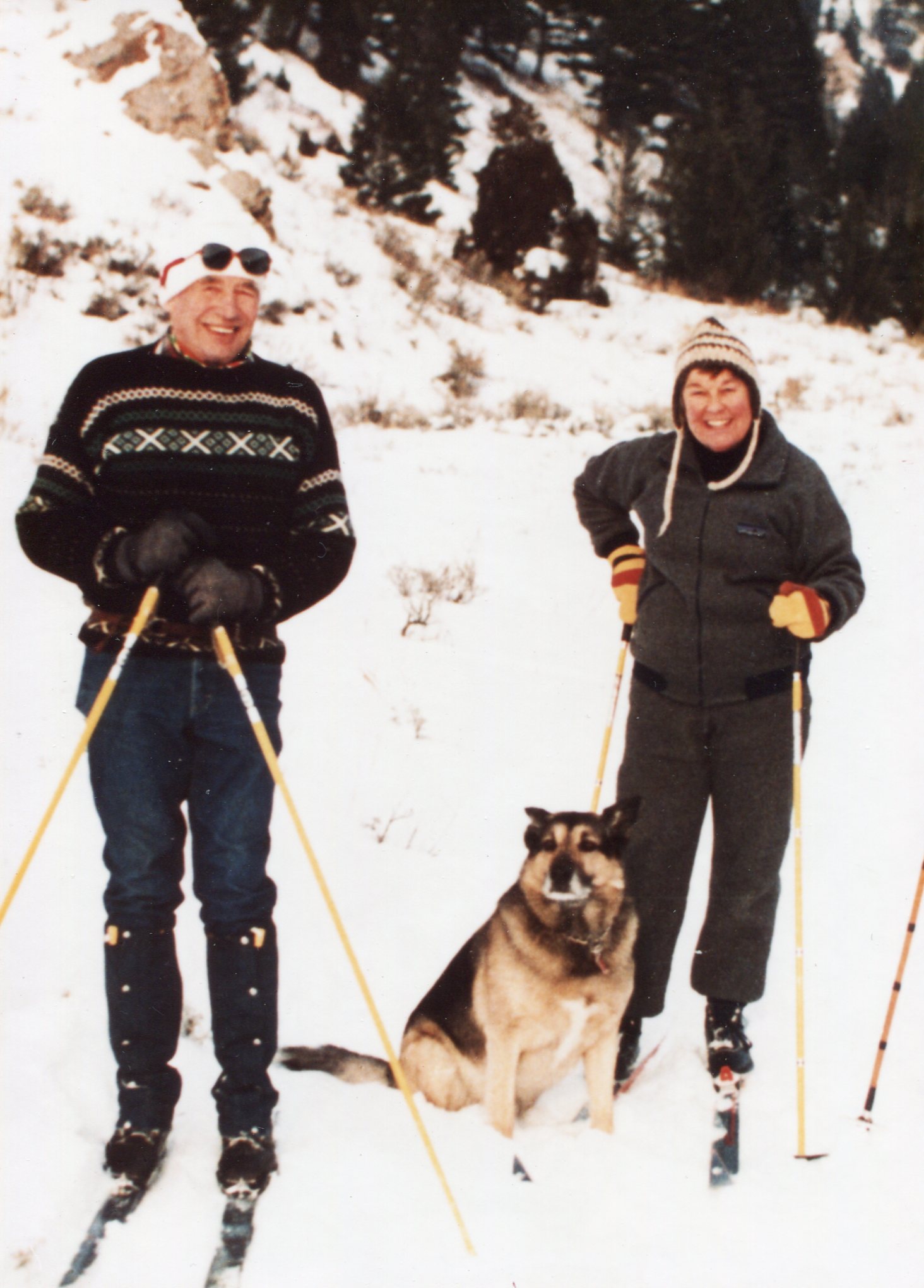
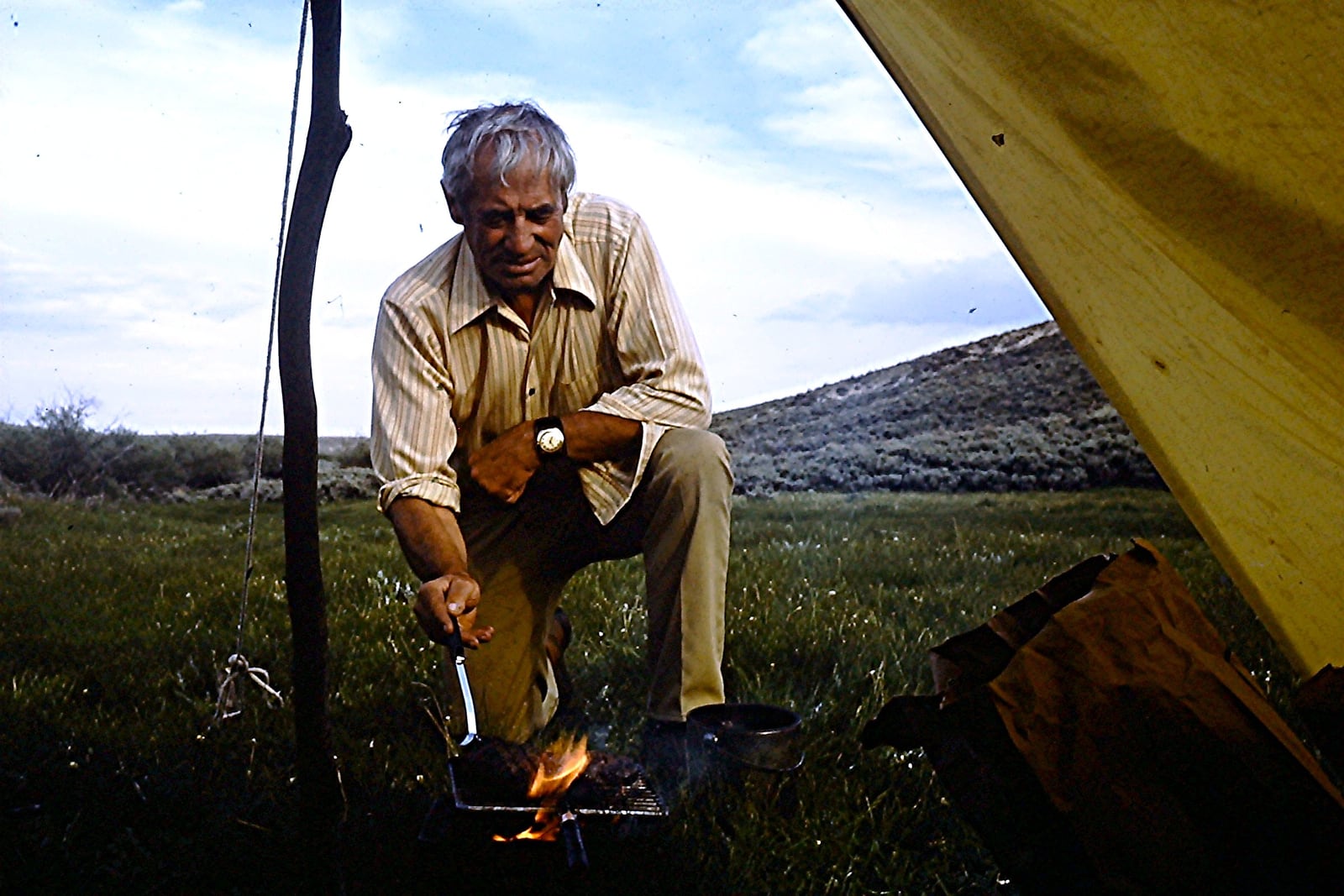
Their days included cross-country skiing, fishing, campfires, outdoor cooking, mountain travel, and time with friends and family. Noel’s work and their shared outdoor life gave these years a rhythm of their own.
Neighbors dropped in. Stories were exchanged. Meals were cooked indoors and out. As before, the table was always ready to make room for one more person.
The Golden Age Continued
The golden age of Betty’s family recipes did not end when her children grew up. The collection continued through handwritten cards, remembered dishes, family gatherings, recipe requests, community cookbooks, magazine clippings, and meals shared across generations.
A photograph of Betty with her son George captures the affection that remained at the center of these gatherings. The children were adults, but the connection between food, family, and memory remained unchanged.
Recipes were more than instructions. They were reminders of people, places, celebrations, and earlier versions of home.
Across Borders and Generations
Practical hands, generous hearts, and the habit of passing along what people loved kept Betty’s collection growing across borders and across generations.
The setting might be Jackson Hole, Pincher Creek, a campsite, or a family celebration. The principle remained the same: make something worth sharing and invite people to stay.
Betty and Noel cross-country skiing in Jackson Hole with their dog, Bullet.
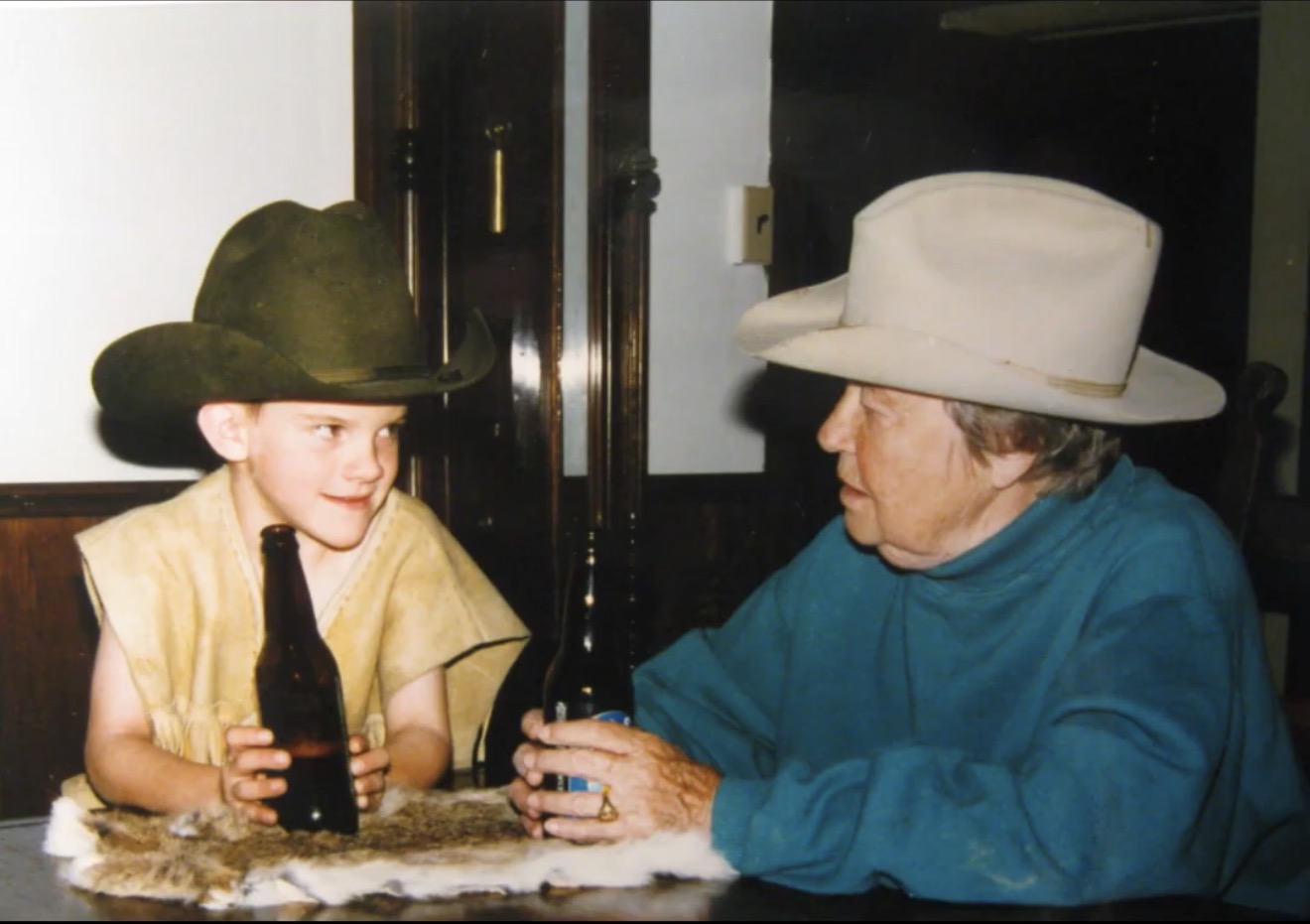
Betty with her grandson, Alex Stone, at her home in Jackson Hole.
A Legacy Larger Than One Dish
Betty’s legacy is larger than any one dish. It is a lifetime of resilience, hospitality, family tradition, resourcefulness, and shared meals.
Many of the recipes in My Granny’s Recipes come directly from handwritten cards, recipe boxes, cookbooks, clippings, and dishes remembered by the people she fed. The collection records more than what the family ate. It records who was there, what was happening, and how Betty made people feel.
The recipes now have a new home within Good Buddy Butter Club, but their purpose remains the same: to help people cook for one another.
Every time one of Betty’s recipes is prepared, served, remembered, or passed across a table, the story continues.
The Welcome She Created
A later photograph of Betty seated at a table with her grandson, Alex Stone, brings the story back to where it began: two people facing one another, sharing a moment across a table.
The photograph is not simply a family portrait. It represents the continuity at the heart of the collection. Recipes and stories pass from one generation to the next not only through written instructions, but through time spent together.
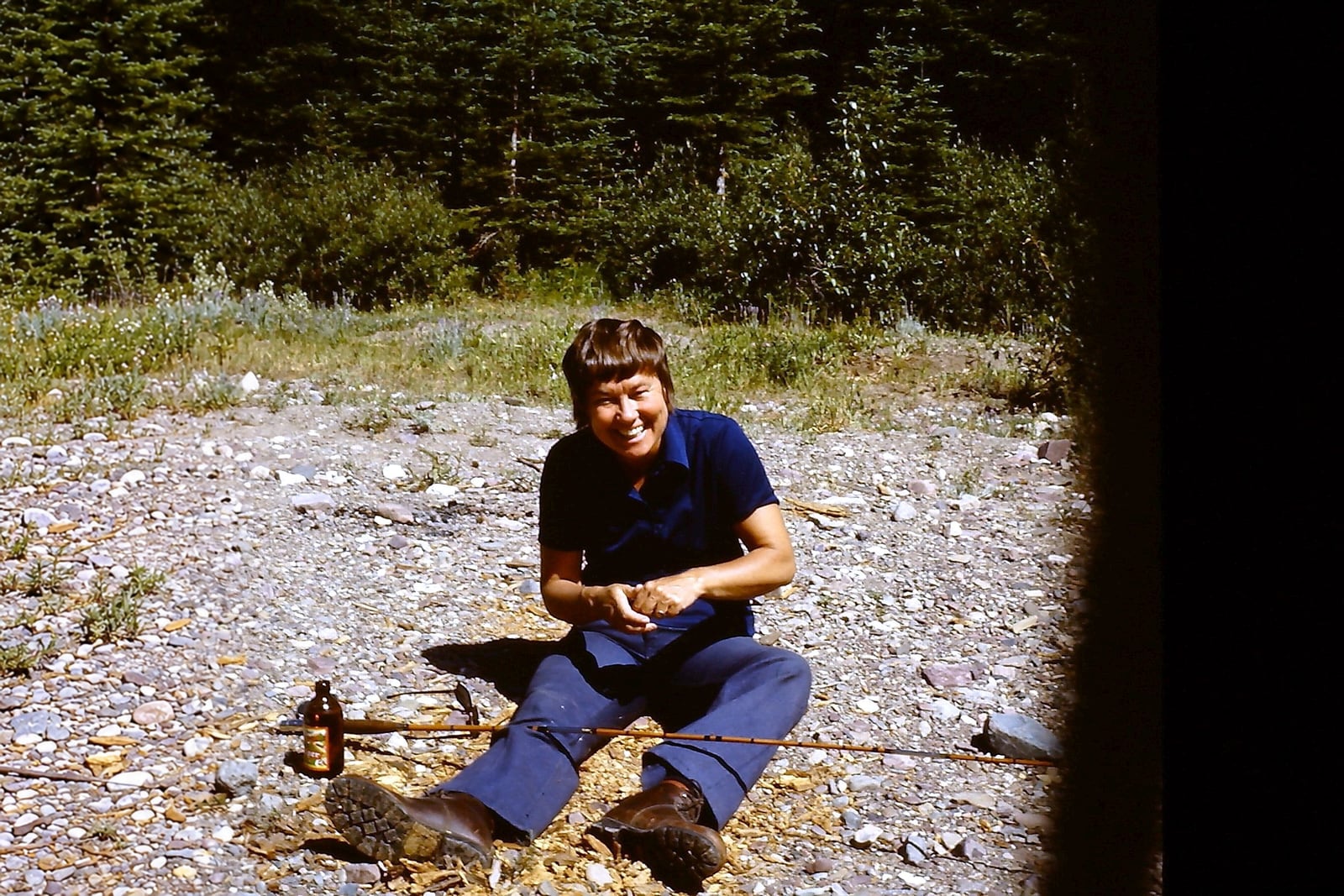
Betty fishing in the Gladstone Valley.
Recipes are more than ingredients and instructions. They are memories, acts of love, and the legacy we leave behind.
A Life Well Lived
Chapter Five · ContinuedA Legacy of Love, Food, and Family
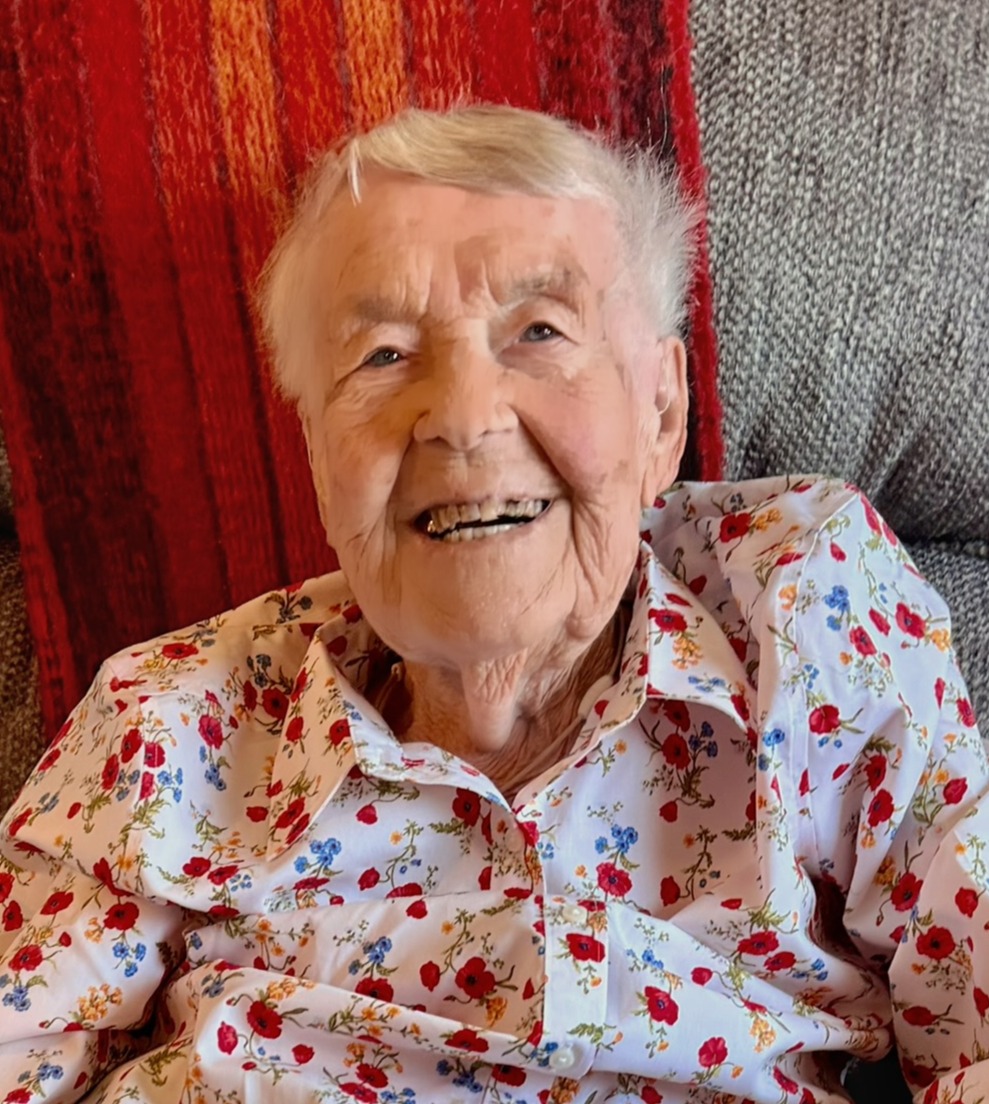
Betty on her 101st birthday.
A Life Well Lived
Born on May 1, 1924, Betty’s life now spans more than a century.
Her long life has carried her through the Great Depression, a world war, marriage and travel abroad, motherhood, life in the mountains, a second marriage, two countries, and the growth of several generations around her.
Her family sees that life as a testament to her resilience, daily routines, resourcefulness, strong relationships, and a lifetime of feeding people with care. Her recipes are part of that legacy, but so is the life behind them—a life built around purpose, family, adaptability, and meals meant to be shared.